




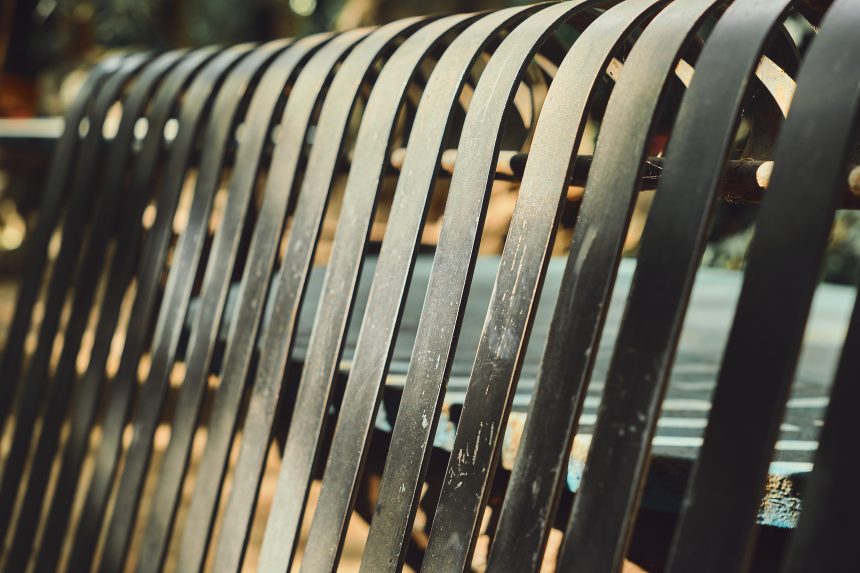
Aluminum fences might be what you are after. Not only do they mimic the classic charm of old ironwork, but they stand up well to weather without constant care. Picking one could make sense if your goal is keeping kids safe near water, defining boundaries out back, or just making the house look sharper from the street.
Before getting posts ready or picking out panels, a few key details matter. This walkthrough covers everything that comes up when setting up an aluminum barrier around your place from choosing the right material and design to handling rules, boundaries, and permits.
Why Aluminum Fencing Works Well for Yards
Fence choices often come down to what lasts. Aluminum stands out because rain will not eat it away like steel does. Wood rots, twists, and breaks apart aluminum stays put. Near oceans or where storms roll through frequently, rust skips it entirely. People pick it not for looks alone but because time simply does not wear it down.
Key advantages of aluminum fencing include:
- Rust-proof and corrosion-resistant ideal for coastal and high-humidity climates
- Low maintenance no painting, sealing, or staining required. Just rinse when needed
- Lightweight and easy to handle during installation
- Long lifespan of 30 to 50 years with minimal upkeep
- Wide variety of styles, heights, and colors to match any home design
- 100% recyclable an environmentally responsible choice
- More affordable than wrought iron while delivering a similar classic appearance
Aluminum Fence Types and Grades Explained
Not all aluminum fences are built the same. Picking one means knowing which grade fits your needs and how much you plan to spend.
Residential Grade
Lighter rails and thinner pickets make residential aluminum fencing the most budget-friendly option. For defining spaces like gardens or front yards it performs reliably. When appearance matters more than heavy-duty strength, this type fits naturally and is ideal where heavy use is not expected.
Commercial Grade
A step up in strength, commercial fencing uses heavier rails alongside denser pickets. Schools, parks, and homeowners focused on toughness and longevity often choose it. Business sites trust it when wear and tear pile up over time. A higher price tag comes with a much longer lifespan and solid defense against impact.
Pool Grade Aluminum Fence
When installing a barrier around a swimming area, the fence must follow regional construction rules. Pool grade aluminum fencing features slats placed closer together along with gates that shut and lock on their own features that satisfy most municipal safety standards. Always verify what your town requires by reviewing its local regulations before purchasing.
Popular Styles to Consider
The three most common aluminum fence styles are flat top (clean and modern), spear top (traditional and ornamental), and loop top (decorative with curved details). Heights typically run between 3 and 6 feet. Black leads in popularity and suits virtually every home style. Bronze works well for warmer-toned homes, white fits coastal and cottage settings, and hunter green blends naturally into landscaped environments.
Aluminum Fence Cost: A Realistic Budget Breakdown
What homeowners ask about first is usually price. The honest answer is that costs shift based on material grade, total linear footage, terrain, and whether you hire a professional or install it yourself.
Typical cost ranges for aluminum fencing:
- Panels (material): $25 to $40 per linear foot for residential grade
- Professional installation (labor only): $15 to $30 per linear foot
- Single gate: $150 to $400 depending on width and style
- Full installation for a 150-foot yard: approximately $6,000 to $10,000
- DIY installation can cut total costs by 40 to 50 percent
Watch out when a bid seems too low. A surprisingly cheap quote often means thin-gauge aluminum that bends easily, fades faster, and carries a limited warranty. Before signing any agreement, ask the contractor for the exact panel wall thickness in the specifications.
Critical Steps to Take Before Installing an Aluminum Fence
Rushing into installation without preparation causes costly mistakes more than anything else. Work through the following checklist carefully before buying a single panel or breaking any ground.
Verify Your Property Boundaries
Never assume where your property ends. Installing a fence even a few inches over the boundary line can spark a legal dispute with neighbors and may require you to tear down and redo the fence at your own expense. Review your property survey or hire a licensed surveyor before marking your fence line with stakes.
Call 811 Before You Dig
In the United States, calling 811 before any digging project is required by law in most states. This free service sends utility crews to mark the locations of buried gas lines, electrical cables, water pipes, and internet cables on your property. Digging without this information can cause a serious accident — and repair bills after striking a hidden utility line can reach shocking amounts.
Review HOA Rules and Local Permit Requirements
If your neighborhood has a Homeowners Association, get written approval before purchasing materials. HOA rules often cover fence height, color, and overall design. Many towns also require a building permit, especially for fences over 4 feet or those surrounding a swimming pool. Skipping this step can result in fines and complications when selling the property later.
Assess Your Terrain
A flat yard is straightforward. When the land slopes or has uneven ground, planning matters more. Racked panels flex to follow a gradual incline continuously, while stepped panels create a staircase effect for steeper changes in elevation. Rocky soil may require specialized post anchors or mechanical drilling where a standard shovel will not work.
How to Install an Aluminum Fence: Step-by-Step Overview
Whether hiring a professional or going the DIY route, understanding how installation works helps you spot mistakes early and ask the right questions when things feel off.
- Measure and mark the full fence perimeter using stakes and string. Total up every linear foot, then add 5 to 10 percent extra for cuts and waste.
- Mark post hole locations at equal intervals matching your panel width usually 6 or 8 feet. Flag corner posts, end posts, and gate posts separately as these require extra concrete.
- Dig post holes to proper depth. Set each post so that one-third of its length sits underground. For a 6-foot fence, aim for 24 to 30 inches deep with 6 inches of gravel at the bottom for drainage.
- Set posts in concrete and check vertical alignment with a level. Fast-setting concrete saves time — allow 24 to 48 hours to cure fully before attaching any panels.
- Attach rails and panels by sliding prefabricated sections into the post channels. Follow the manufacturer’s guide precisely and stick to one brand throughout mixing parts from different makers causes misalignment and weak joints.
- Hang the gate carefully. Gate posts bear dynamic weight constantly, so set them deeper and in more concrete than standard posts. Check swing clearance, adjust hinges until the edge meets the frame evenly, and confirm the latch holds securely.
- Conduct a final inspection by walking the entire fence line. Check each post with a level, open and close the gate several times, and tighten any loose bolts or screws you find.
Aluminum Fence Maintenance Tips to Keep It Looking New
One of the best things about aluminum fencing is how little ongoing care it demands. A few simple habits will keep it sharp for decades without the effort that wood or iron alternatives require.
- Rinse once a year with a garden hose to clear away dirt, pollen, bird droppings, and road dust
- Inspect after major storms strong winds can loosen post anchors or shift panels; secure anything loose right away
- Touch up chips immediately using matching paint to prevent oxidation at any exposed aluminum surface
- Lubricate gate hinges and latches once a year with a dry silicone-based spray for smooth, reliable operation
- Avoid bleach-based cleaners chlorine gradually fades the powder coat finish; use mild dish soap instead
Common Aluminum Fence Installation Mistakes to Avoid
Even homeowners who research carefully stumble on the same avoidable errors. Steering clear of these saves time, money, and frustration.
- Failing to call 811 before digging the most dangerous mistake, and entirely preventable with one phone call
- Setting posts too shallow posts buried too little will shift in frost heave and lean in strong wind, pulling the whole line apart
- Buying mismatched components aluminum fence systems are brand-specific; mixing rails and posts from different manufacturers causes panels that do not fit or align
- Ignoring yard slope flat panels on a sloped yard leave gaps at ground level that look poor and may fail pool or pet safety requirements
- Skipping permits an unpermitted fence can flag during a home sale inspection and may require removal and reinstallation at your cost
- Choosing the wrong grade residential grade aluminum used in high-traffic areas wears out and fails far sooner than expected
Frequently Asked Questions About Aluminum Fencing
How long does aluminum fence installation take?
A professional crew typically finishes 150 to 200 linear feet within one day. Two people handling the same stretch as a DIY project usually fill an entire weekend.
Is aluminum fencing strong enough for large dogs?
For most dogs, yes. Tall jumpers need a fence that is 5 to 6 feet high. A dig guard along the base or a concrete footing stops diggers. For small dogs, request narrower picket spacing when placing your order.
How deep should aluminum fence posts be set?
Posts need to be buried to at least one-third of their full length, with 6 inches of gravel underneath for drainage. For an 8-foot post fence, that means 30 to 32 inches below ground.
Can aluminum fence be installed on a slope?
Yes. Use racked panels when the slope is gradual and consistent; use stepped panels for sharper or more irregular changes in elevation. Confirm which option your chosen fence model supports before ordering.
What is the best color for an aluminum fence?
Black suits virtually any home design and landscape and remains the most popular choice. Bronze complements homes with warm exterior tones. White fits coastal and cottage styles well but requires a bit more cleaning to stay looking crisp.
Final Thoughts
Aluminum fencing is one of the most practical, attractive, and cost-effective solutions available to homeowners today. It holds up in all weather conditions, requires minimal maintenance, and delivers a polished appearance that adds lasting value to any property.
The key to a successful project is preparation. Confirm your property lines, pull any required permits, choose the right grade for your specific use, and follow proper post-depth guidelines. Whether you go DIY or hire a professional, the groundwork you do before the first hole is dug will determine the quality of everything that follows.