




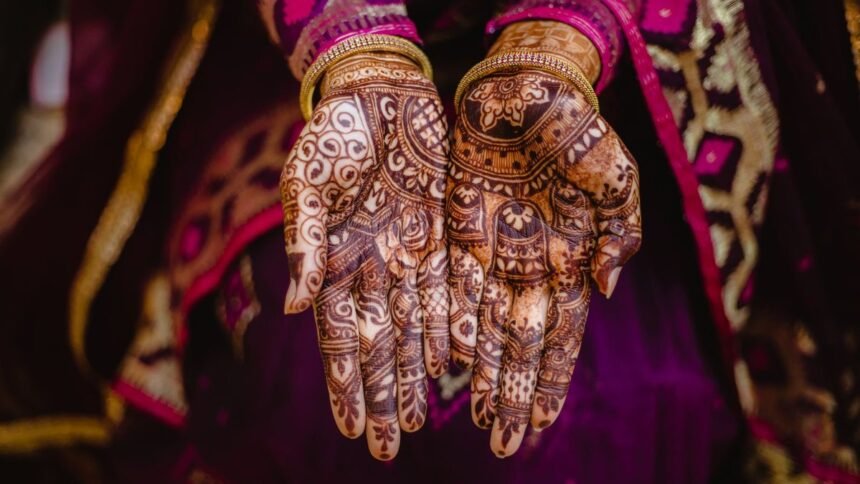
Okay so. My first mehndi flower had seven petals on one side.
Three on the other.
I was twelve. Maybe eleven? Sitting cross-legged on a charpai in my nani’s courtyard in Lahore, cement floor still warm at 9 pm, ceiling fan doing absolutely nothing, holding a cone that cost Rs 15 and was leaking from the BACK end, not the tip, the back, so there was henna on my frock, on the charpai, somehow on my chin. My younger sister Zainab laughed so hard she slid clean off the charpai onto a pile of dupattas. I cried. Obviously I cried.
And then that stupid lopsided flower dried, stained this deep maroon, and at Eid two of my cousins, the same cousins who watched the whole drama, lined up and said, do ours also.
I think about that flower every time a girl messages me saying “but I can’t draw.” Can’t draw what, exactly? A circle? Because that’s most of it. I swear that’s most of it.
These easy mehndi designs, genuinely easy, not internet-easy where “simple” means a bridal hand that takes a professional four hours, are built from four things. Circles. Dots. Leaves, which are just two curves kissing at a point. And short lines that don’t have to be straight, which is lucky, because mine still aren’t. Ask anyone in my house. My wrist lines lean like they’re tired.
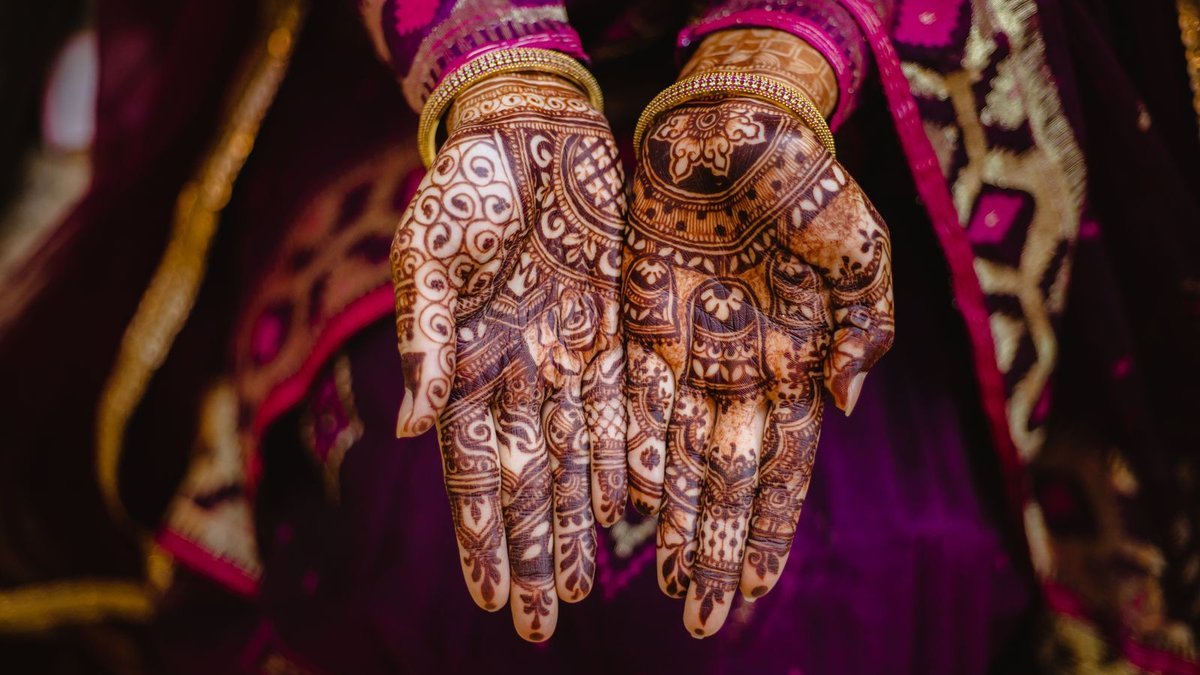
So this post is the styles I hand over to the nervous first-timers in my own family, the ones who hold the cone like it might bite, plus the one design I teach everybody first, step by step, the way I’d talk you through it sat next to me on the floor. Bigger gallery for later, when your hands stop shaking: our simple mehndi designs for girls page.
What Makes a Design Beginner Friendly, Really?
A flower is a circle wearing petals.
I wish, I genuinely wish, somebody had said that sentence to me at twelve instead of handing me a magazine photo of a dulhan with mehndi up to her elbows. I spent two shaadi seasons thinking talent was the missing ingredient. It wasn’t. The missing ingredient was that nobody had broken the picture down into its pieces for me.
Break the Picture Into Pieces
Look at any design. Squint at it. What’s actually there? A teardrop with a curl inside, that’s a paisley, congratulations, you’ve been doodling it on school notebooks for years probably. A leaf is two banana curves meeting. A rose is… a spiral. You drew spirals in the margins of your maths copy while pretending to listen.
What to Avoid for Now
The designs that destroy beginners share a pattern: long unbroken outlines that expose every wobble, tiny jaali netting in the corners, both hands expected to match like a pair of juttis. Avoid. All of it. For now.
What you want instead: one fat, confident motif in the middle doing all the talking. Dots around it, dots are a gift, dots fill gaps, dots distract the eye from crimes. And empty skin. Girls think empty skin means unfinished. No. Empty skin is what makes the motif look expensive.
My khala’s daughter Areeba will kill me for putting this in writing, but: shaadi season, two years ago, three?, she tried copying a magazine bridal hand, full jaali, peacocks, the works, and sat sniffling at midnight over one quarter-finished palm. Next function I sat her down: mandala, ring of dots, done, both hands finished before the dholki songs even started. Same girl. Same hands. Different design.
Also, both your hands will not match. Mine don’t, ever. My right hand does the drawing, so my left hand gets the pretty design and my right hand gets whatever energy is left at 1 am. Twenty-plus years of family functions and not one person has held my hands side by side and complained. People look for three seconds, say “kitni pyaari!”, and go back to their biryani. Remember that when you’re spiralling.
First, Sort Your Cone Out
Real talk: half the girls who tell me “I tried, I just can’t do mehndi” actually mean “my cone was a disaster and it bullied me.”
The cone is half the job. Maybe more than half.
Fresh Is Everything
Fresh, first of all. Buy from somewhere busy, a bazaar stall where the aunty sells forty cones a day, not a quiet shop where the stock has been baking in the window since before Ramadan. Old henna gives a weak orange stain and then YOU feel like the failure, and you weren’t, the cone was. A good natural cone in Lahore runs Rs 60 to 120 these days; my Karachi cousin pays a bit more. And if someone offers three cones for fifty rupees, walk. Just walk. There’s a reason, and the reason will itch.
The Tip, the Hold, the Tissue
The tip. Oh, the tip. Snip it TINY. Smaller than you think. You can always cut more off; you cannot glue a cone back together, I have checked, and so has Zainab, after she cut hers like a milk pack and flooded her whole palm in one squeeze. She wore that brown blob for two weeks. Ammi called it her “extra thumb.”
Hold the cone low, near the tip, like a pen you’re actually friends with, and squeeze from the top end, rolling it down as you go. Squeeze the middle and it’ll reward you with a sudden burst right on your best petal. Not a theory. Chand raat. My own hand. Guests arriving.
Anchor yourself: little finger resting on the table, or on the wrist you’re drawing on. Floating hand = wobbly hand. Not a character flaw, physics, or something.
Tissue, in your lap, always. Wipe the tip every few strokes, because dried henna crusts on the nozzle and your smooth line comes out looking like a potato rolling downhill. And warm up on paper, thirty seconds of circles on the last page of an old notebook, the page with the grocery list. Sounds like homework, I know. Do it anyway. Your first flower of the day should not happen on a human being.
Right. Cone sorted? Hands washed, dried, no cream, we’ll get to the cream thing properly later, it’s important, let’s actually draw something.
Easy Mehndi Designs for the Front Hand
Your palm forgives you. That’s why we start there.
It’s flat, it rests on a cushion without sliding around, and once a pattern fills it, small wobbles just… disappear into the crowd. A busy palm hides everything, including, once, in my case, an entire extra petal I drew by accident while answering the doorbell with my eyes. (Long story. The design survived.)
Front hand formula in this house: strong thing in the centre, quiet stuff around it. Don’t cover every millimetre. New girls always try, then wonder why the design looks like a traffic jam.
The styles I keep coming back to, in no particular order because my ranking changes with my mood: the round mandala mid-palm with dots around it, the king, the default, detailed below. One big rose, three leaves, a stem wandering off towards the wrist like it has somewhere to be. A paisley trail climbing wrist to index finger, smaller as it goes, bridal in photos, embarrassingly easy to draw. A diagonal vine, corner to corner, lovely on long palms. Sunflower in the centre with plain dotted fingers (my niece’s current obsession). A peacock feather, which sounds fancy and is literally five curved strokes and a dot, I’ve counted. A heart filled with criss-cross jaali, for the romantic ones. And a bracelet band at the wrist with one flower hanging off it like a charm, my go-to when I’m feeling lazy but want people to think I wasn’t. Which is often.
Four of these need a proper introduction. The rest you’ll figure out from the photos, honestly, that’s how I learned most of them too.
The Centre Mandala
Start here. If you read nothing else in this post, start here.
Circle in the middle of the palm. Petals around it. Ring of dots around that. A line down each finger. That’s it, that’s the design, you can close the tab. Don’t close the tab, there’s stain advice later and you’ll need it. But that’s the design.
It works on every hand I’ve ever put it on. Short palms, long thin model hands, chubby hands like mine. Eid, mehndi night, a cousin’s engagement, a random Tuesday where someone’s mother says “beta, haath khaali khaali lag rahe hain.” And because it’s round and centred, your eye forgives lopsidedness: a wonky mandala reads as “handmade,” a wonky straight border reads as “mistake.” Choose wisely.
The Forgiving Rose
Draw a spiral.
…that’s the rose.
I am not joking and I am still mildly annoyed nobody told me at twelve. Spiral, then two or three fat rounded petals hugging it, a leaf or two underneath, short stem bending wherever it wants. Real roses in real gardens are wonky, have you ever looked at one properly? Nature is not doing symmetry either.
One big rose dead centre looks classic. Ammi prefers a small one tucked near the thumb with the rest of the palm bare, “poora haath bhar ke main sabzi lene jaaun gi kya?” is her exact line, every time. Her design, her rules.
The Paisley Trail
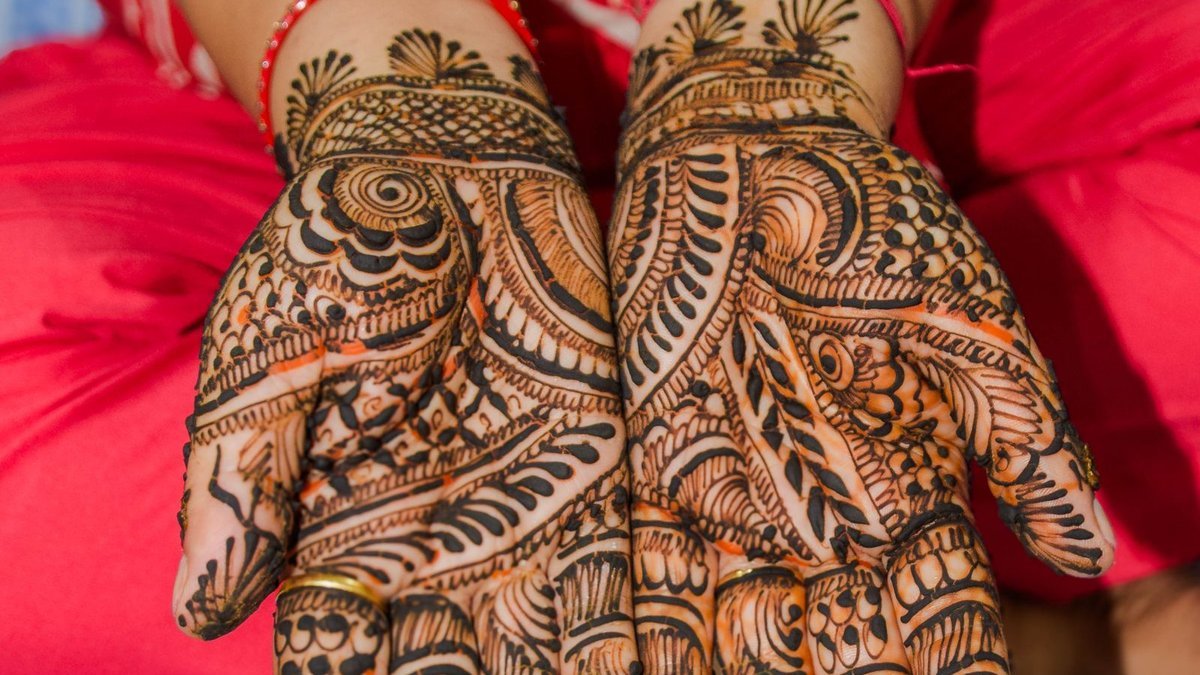
Ambi. The mango shape. It’s on our kurtas, our bedsheets, our grandmother’s shawls, of course it’s on our hands.
Curved teardrop. Dot inside it, or a baby flower if you’re showing off. Then another one above it, smaller. Then smaller. Three or four of them climbing in a soft S from your wrist up to the index finger. Big, medium, small, baby. It stretches the hand visually, makes fingers look longer, which is why brides love it, but between you and me the drawing part is easier than the mandala. Don’t tell the brides.
The Jaali Heart
For the filmy ones. You know who you are.
Heart outline on the palm. Inside it, diagonal lines one way, then back across, a loose net. And here’s why I push this onto shaky beginners specifically: inside a net, nobody can find your mistakes. The eye reads “pattern!” and moves on. Your wobbly third line? Hidden in the crowd, living its best life. Dot the border, step back, accept the compliments. You’ve earned them. The net was your idea.
Simple Back Hand Easy Mehndi Designs
Everyone thinks the back of the hand is the “advanced” side. Because it’s the side people photograph, I think. The side that shows in the chai-cup photos.
It’s a lie and I’ll die on this hill. The area is smaller, less ground to cover, less to mess up, and the designs that look best there are one motif, some dots, and confidence. The confidence does most of the work, frankly.
My standard move is the bracelet-and-chain. Two lines round the wrist pretending to be bangles, then a fine chain line running up to the middle finger, ending in a tiny flower. Jewellery you draw on. Five minutes. It moves beautifully when you talk with your hands, and if you’re Pakistani and you don’t talk with your hands, what are you even doing at the dinner table?
Other safe bets: one flower planted slightly off-centre with dotted fingers. A leafy vine hugging just the index finger. A small mandala parked near the wrist like it wandered off from the palm. Bare skin, bare skin, bare skin, say it with me. On the back hand, the empty space IS the design. Fuller gallery when you want it: our back hand mehndi designs collection.
The three I force every beginner to try first, in this order:
Bracelet and Chain
Bracelet and chain, like I said. Lines round the wrist, three dots dangling from the lower line, chain up to the middle finger. The only way to ruin it is to make the chain line too thick, so, tissue, tiny tip, you know the drill by now.
One Statement Flower
One statement flower. Medium-sized, off-centre, closer to the thumb side. Short dotted trail for company, then STOP. This photographs better than any other beginner design I know, and let’s not pretend the photo isn’t half the point in 2026. Cousin takes the picture, family WhatsApp group says mashallah, your work here is done.
The Corner Vine
The corner vine. Outer corner of the wrist, small leaves climbing diagonally to the base of the index finger. Diagonals flatter every hand shape I have ever drawn on, including hands with, how do I say this kindly, very committed knuckles. Two curves per leaf. Three seconds a leaf. Go.
Easy Finger Mehndi Designs for a Quick Festive Look
Picture it. Guests’ car is literally pulling up. The sheer khurma is still bubbling. Your dupatta is… somewhere? Nobody knows where, it’s a mystery for the ages. And your hands are completely, embarrassingly bare.
Finger designs exist for this exact emergency. I’ve deployed them in this exact emergency.
A ring of dots at every finger joint. Three baby leaves climbing one finger. One thin line down the middle of each finger with dots trailing alongside it. Under a minute a finger, and suddenly you look like a woman who planned her life. You are not that woman today, but your hands are lying beautifully on your behalf.
One warning, learned in front of an audience, so learn from my shame: do the SAME pattern on every finger. Same. Matching fingers look deliberate and chic. A different pattern per finger looks like the electricity went out halfway through, which, in fairness, is exactly what happened to me that chand raat. Load-shedding at the worst hour, mehndi finished by phone torch, one finger with leaves, one with dots, one with… I don’t even remember. My khala noticed. Khala always notices.
Kids’ hands, quickly, because someone always asks: one tiny flower per hand, and the second the child says “bas” it’s bas. Our mehndi designs for kids guide is gentler and smarter about this than I am. And if you keep staring at that one proud round motif on the back hand in the photos, haan, you’re a tikki person, welcome to the club, these tikki mehndi designs are your people.
Step by Step: One Easy Mehndi Design from Start to Finish
Right. Sleeves up, dupatta tied back, phone on silent, haan, silent, because the second your paste is wet, somebody’s rishtey wali aunty will call. Law of nature.
This is the mandala flower. The one I’ve taught Zainab, two cousins, and one very determined phupho who held the cone like a screwdriver for the first ten minutes. A screwdriver. We got there in the end.
Small circle, centre of the palm. Cone tip close to the skin, gentle squeeze, don’t rush. Petals around it, eight if you’re counting, seven or nine if you’re human, nobody is filing a report. Ring of dots around the flower, little gap first so it can breathe. Then one curved line drifting down to the wrist, three leaves on each side. Fingers: one straight-ish line each, ending in a dot. Thumb can take a tiny flower or stay bare. Feeling rich? Fill the centre circle with a light criss-cross. Not feeling it? Skip it. Optional means optional.
Now the hardest step, and I’m not being dramatic: put the cone DOWN and touch nothing. Your nose will itch. It itches every time, for every person, I think henna can sense it. Use a shoulder. Not the fresh palm.
Fifteen minutes, one complete design. There’s a reason half of Pakistan does this on chand raat and sleeps in it, Eid morning the colour is deep and compliments arrive before the sheer khurma does. For fuller festive patterns for the day itself, our mehndi designs for Eid collection is where I’d point you next.
The Five Minute Floral Vine
Once the mandala stops scaring you, learn this vine. It’s my emergency design, cousin arrives ONE hour before a dawat, bare hands, puppy eyes activated. You know the cousin. You know the eyes.
Wrist first: one small flower. Circle, five petals, done. From it, a long lazy curve up towards the base of your index finger, let it wave; a wavy line is easier than a straight one AND prettier, a rare free lunch. Leaves along the curve, taking turns, six or eight, two strokes each. Three-dot clusters in every gap, because gaps stop looking like gaps once dots move in. Finish with a second, slightly bigger flower at the top. Index finger gets dots; the rest stay bare. Bare is a style, we established this.
Twice practised, it’s five minutes a hand. And this vine forgives like a grandmother, one leaf comes out fat, make the next one fatter for company, and it all looks intentional. My cousin Mahnoor has demanded this exact design two Eids running. Two. Same vine. She won’t “risk change,” and honestly? Respect.
Easy Arabic Style Mehndi Designs
Arabic mehndi does its own thing and refuses to apologise. Big bold flowers. Thick trails running diagonally across the hand like they’re late for a flight. Motifs spread out like jewellery on a velvet tray instead of packed in like embroidery fighting for space on a kurta.
For a beginner, this is the best news in the post, because Arabic style skips nearly all the fiddly filling. The simplest version: wrist flower, one curving stem with big leaves, second flower near the index finger, rest of the hand completely, defiantly clean. Snip the cone a touch wider here, these lines are meant to be read from across the room, over the biryani deg, by an aunty with opinions. Lines came out too thin? Wait a minute, go over them again. Nobody’s inspecting with a magnifying glass.
Confession: I skip Arabic at weddings. Not because it’s hard, because the dulhan’s sisters always demand dense traditional hands and I get appointed unpaid labour. For my own Eid hands though? Arabic, almost every year. Forty minutes, both hands, and I’m free to actually enjoy chand raat like a person.
Fuller Designs You Can Quietly Simplify
It will happen. A friend sends a screenshot, dense bridal hand, peacocks, portraits, someone’s initials hidden in a paisley, with three exclamation marks. “Can you do this one???”
Breathe first. Then actually look at it: nine times out of ten it’s your shapes. Circles, paisleys, leaves, a net. Just repeated forty times and squeezed closer together, like wedding guests in a Suzuki Mehran.
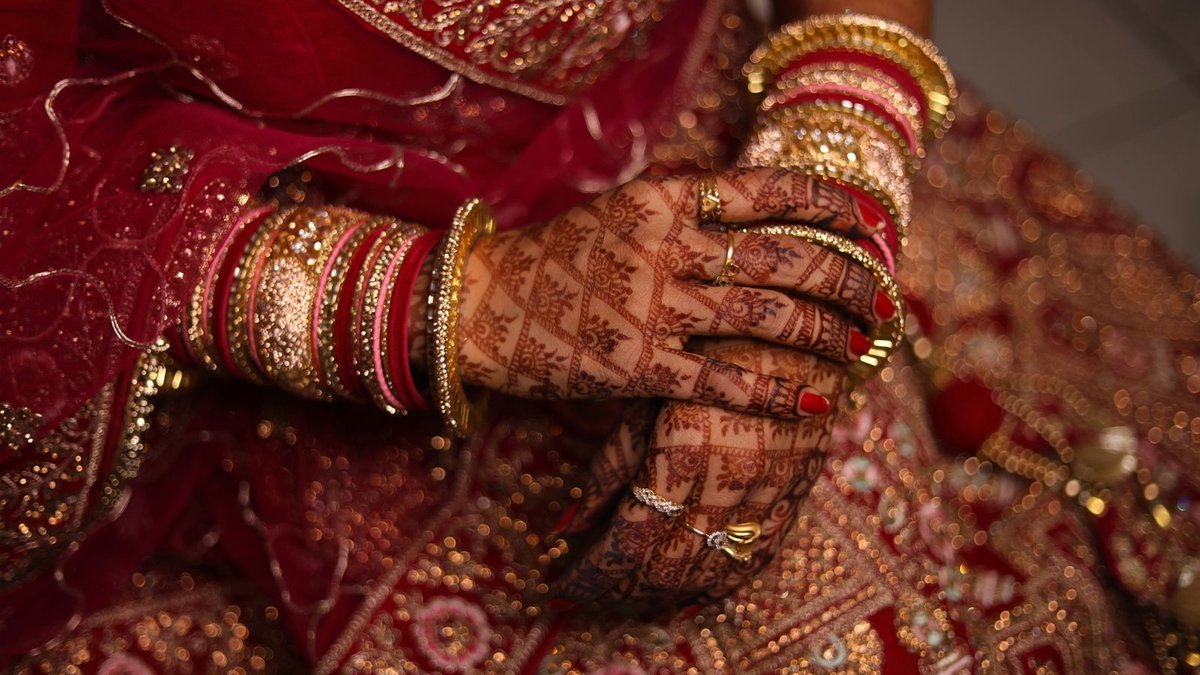
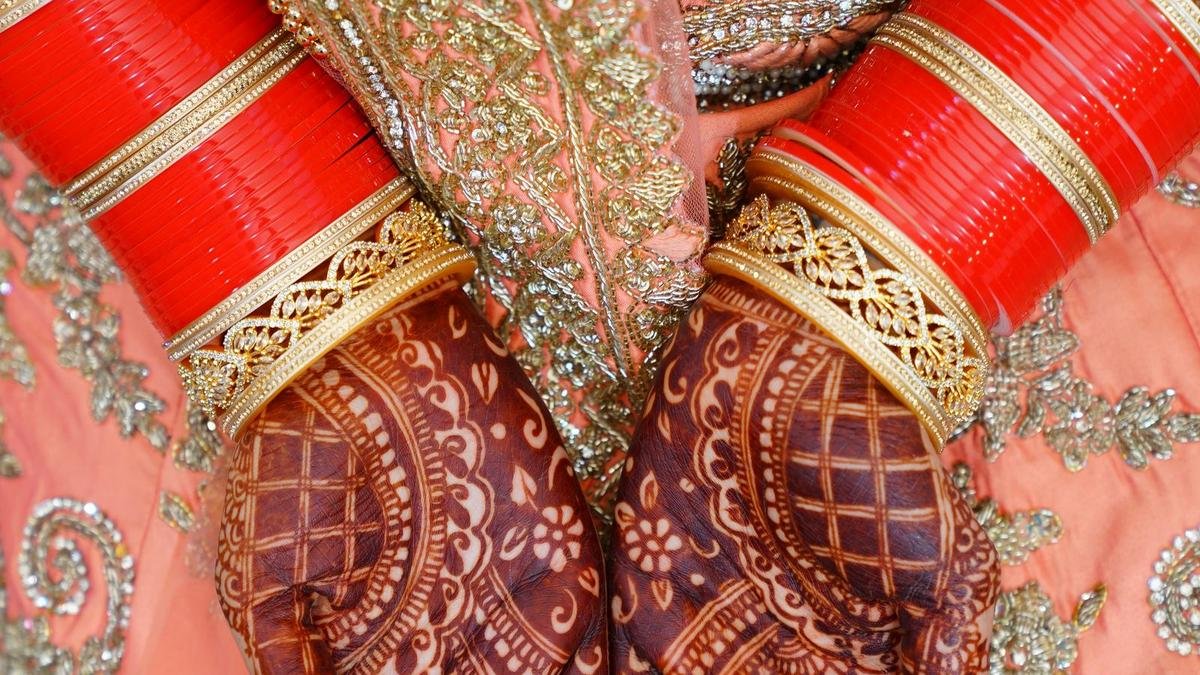
So simplify it openly, no shame. Steal the centre motif, bin the filling. Keep the wrist band, skip the microscopic checkerboard that would cost you till midnight. Half a bridal design is still a lovely design, and yours will be drying before the dholki starts. Look at the ornate hands below: take away the fine netting and what’s left? Bold centre flower, paisley trail, dotted fingers. Your homework shapes, wearing a fancy outfit.
How to Make Your Mehndi Darker and Longer Lasting
Unlearn something first: a pale orange stain is almost NEVER about your drawing. It’s the cone, or it’s the aftercare, and in my house, if I’m honest, it’s the aftercare nine times out of ten. Somebody got impatient. Somebody (Zainab. It was Zainab) “just quickly” rinsed a glass.
Fresh cone, you know this one, a few weeks old is already too old, the colour gives up before you do. Hands washed with plain soap, dried properly, and NO cream before you start. Oil sits on skin like a raincoat and the stain queues outside waiting for a visa.
Leave the paste on six to eight hours, overnight if you can. Once it dries and feels tight, dab it with cotton wool dipped in lemon juice and sugar water, nani’s trick, and nani remains undefeated in all household matters, it keeps the paste damp, stuck fast, and the colour goes deeper.
Removal time: scrape it off, spoon edge or nails. Never wash it off. Water at that stage is the villain of this story. Then rub in a little mustard oil or plain balm and dodge water for twelve hours like it’s your job. In our house this is my official, legally binding excuse to escape dish duty, and I milk it shamelessly. Ammi knows. Ammi does it too. We have an understanding.
There’s also the laung trick, cloves heated on a dry tawa, hands held carefully in the warm smoke after the paste comes off. Real effect or dramatic-grandmother theatre? The stain does look darker afterwards. That’s all I can testify. Sleeping in paste: wrap hands loosely in tissue or an old dupatta you don’t love. Saves the bedsheet.
And judge the colour on day two, not at Eid breakfast in a panic. Henna darkens for 24 to 48 hours after removal, the number of times I’ve declared a stain “ruined” at 9 am and been proven wrong by lunch… it’s a lot.
Common Beginner Mistakes I Have Made Myself
Mistake one is the rite of passage: cone tip cut too wide. Thick lines, petals flooding into each other, a fortnight of regret worn publicly on your hands. Snip the tiniest opening you can, you can always add more salt, but this biryani is already cooked.
Then: choosing a full bridal pattern for attempt number one. Ambition is lovely. Start with the mandala anyway. Walk before you run a marathon in heels.
Mistake three, one I’m personally famous for, waving wet hands around like you’re conducting an orchestra, then finding mehndi on your elbow, your kurta sleeve, and once (this still gets narrated at family dinners, with actions) the cat. The cat was fine. The cat was orange-ish for a week and deeply offended. Sit still, tissue in lap, somebody else can answer the door. You’re an artist at work.
Washing with soap after a few hours because the paste “looked dry”? Also mine. It looks dry on top while the stain is still quietly developing underneath. Patience is literally an ingredient in mehndi. I don’t love this fact. I’ve made peace with it.
Two more, then I’ll stop lecturing. Mehndi right after a fancy bath, scented soap and lotion still on your skin, paste slides, lines blur, stain comes up patchy like a failed fake tan. Plain washed, properly dry skin. That’s the canvas. And please skip the jet-black “instant” cones: real henna is never black and never works in ten minutes. Those cones are often loaded with chemicals that itch, burn, and can leave marks outliving the mehndi by months. Cone promises instant black? Back on the shelf. Walk away slowly, like it’s a film scene.
A Gentle Seven Day Practice Plan
Steal my cousin routine, this is the exact one I hand the younger lot, usually scribbled on the back of a receipt or a mithai box lid. Ten minutes a day. Paper or your own hand, your choice.
Day one is boring, I won’t pretend otherwise: lines and dots, straight ones, curved ones, rows of dots until your hand stops overthinking. Day two, leaves and petals, fill the whole page, badly is fine. Day three: circles and flowers, spirals, daisies, one full mandala. Day four is paisley day, big ones and small ones marching up the page like a baraat. Day five, the mandala flower from this post, paper first, then, deep breath, your actual hand. Day six, the five-minute vine. Day seven: dealer’s choice, repeat your favourite, and leave the paste on overnight this time so you wake up to the full stain. Photograph it even if everyone’s asleep. Especially then.
Something shifts around day seven, your hand starts knowing the movements before your brain gives the order. Every “naturally talented” mehndi girl you’ve ever envied? She just started a week earlier than you. That’s the entire secret. Slightly annoying, I agree.
Frequently Asked Questions
Which mehndi design is the easiest for a complete beginner?
The mandala flower, no contest. Circles, petals, dots, middle of the palm. Whatever small mess you make disappears into the pattern, and once the stain develops it looks even better. It’s the first design I taught my sister and it’s still the first one I recommend to anyone who messages me in a chand raat panic.
How long does mehndi take to dry and darken?
It’ll feel dry on the surface in about 20 to 30 minutes, but don’t touch that paste, leave it six to eight hours if you want real colour. Then it keeps darkening for a day or two after you scrape it off. The stain you’re judging at breakfast is not the final stain. Wait. Have chai. Judge it tomorrow.
Can I learn mehndi at home without taking a course?
You can, and honestly most of us did. There was no course in my nani’s courtyard, I promise you. Shapes on paper first, then your own hand, and start on the side your writing hand can reach comfortably, so your good hand stays free to do the work. Ten minutes a day beats one dramatic three-hour session, every single time.
Why did my mehndi turn out light orange?
One of four culprits, usually: the cone was old, there was cream or oil on your skin, you took the paste off too early, or soap and water got to it too soon. My personal record is managing all four in one Eid. Fix whichever one sounds like you and the colour jumps up noticeably, promise.
How long does a mehndi stain last?
On palms, a good stain looks its best for about a week and fades away over ten to fourteen days, depending on how often your hands meet soap, water and dish duty. Back-of-the-hand designs fade a bit faster. And no, there’s no safe magic shortcut for removing it early, gentle exfoliating and normal washing, and patience. Anyone selling you an instant remover is selling you a rash.
Which cone should a beginner buy?
A fresh, natural, brown henna cone with a fine tip, from a busy shop where the cones don’t sit around ageing. Give it a sniff, real henna smells earthy, a bit like wet leaves after rain. Heavy perfume or chemical smells? Put it back. And it bears repeating because girls keep getting caught: if the cone promises black colour or results in ten minutes, it’s not henna, and it’s not going on your skin.
Final Thoughts
Here’s what I want stuck in your head when your first flower comes out lopsided, because it will, and mine did, and everyone’s does; the seven-petal flower is practically a family heirloom at this point: mehndi is the most forgiving art in the world. A wobbly line still smells like a celebration. It still stains. It still makes your mother pick up your hand at the table and smile in that particular way mothers do.
Pick one design and try it this week. Not “soon.” Not next month. This week, on paper first if your courage needs a warm-up lap. And do not, do NOT, hold your first attempt next to a professional’s tenth year of practice. That’s not a comparison, that’s just being rude to yourself.
Then step into daylight, take the photo, and tell me which design you tried first. I’m genuinely curious.
My money’s on the mandala. It usually is.