




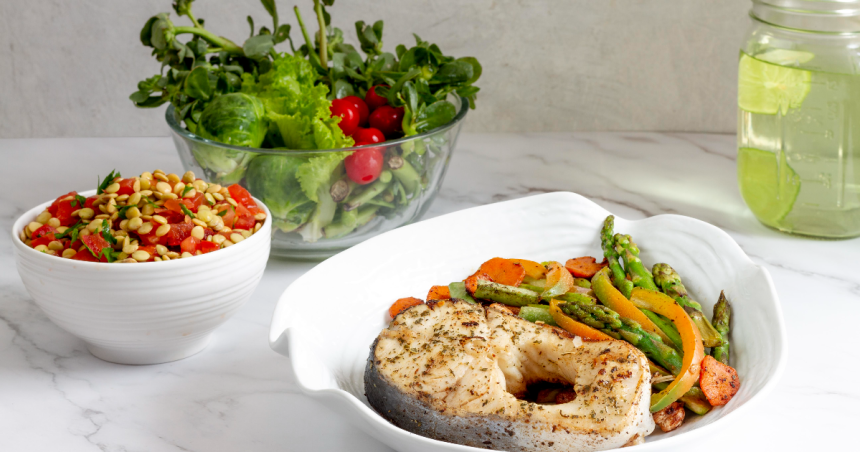
Truth hits hard good food choices rarely come simple. Juggling packed routines, too many snacks calling your name, mixed messages about diets, then there’s greasy takeout waiting every turn. Staying on track? More like walking against a storm.
Here’s what matters: good eating can feel natural, flexible, one moment at a time. Once the real steps click – simple ones that stick – the meals stop feeling like chores. That shift? It changes everything. Clarity comes through practice, not rules. Follow along and notice how it fits.
Healthy Eating Lifestyle Defined and Misconceptions
Most folks think cutting calories leads somewhere permanent. Not really. Those plans come with clocks ticking right from day one. Weight slips back fast once the rules stop applying. Eating well shifts the whole picture entirely. It grows around routines naturally. Food becomes fuel that feels right in your bones. No countdowns involved here.
Perfection? Not the goal here. Slices of birthday cake show up now and then. Meals out happen, just like that go-to dish when you need something familiar. Balance shapes how things work, never tight limits. Imagine eight parts real food, two parts room to move. That space keeps eating human.
1. Build Meals Using Whole, Real Foods
Start here: pick real food, not factory-made stuff. Think fresh produce, brown rice, beans, nuts, eggs, meat you recognize. Skip anything with a long ingredient list. Foods straight from nature fuel your body best. Choose items without wrappers or labels whenever you can. What grows in soil beats what comes in boxes. Stick to things cooked at home when possible.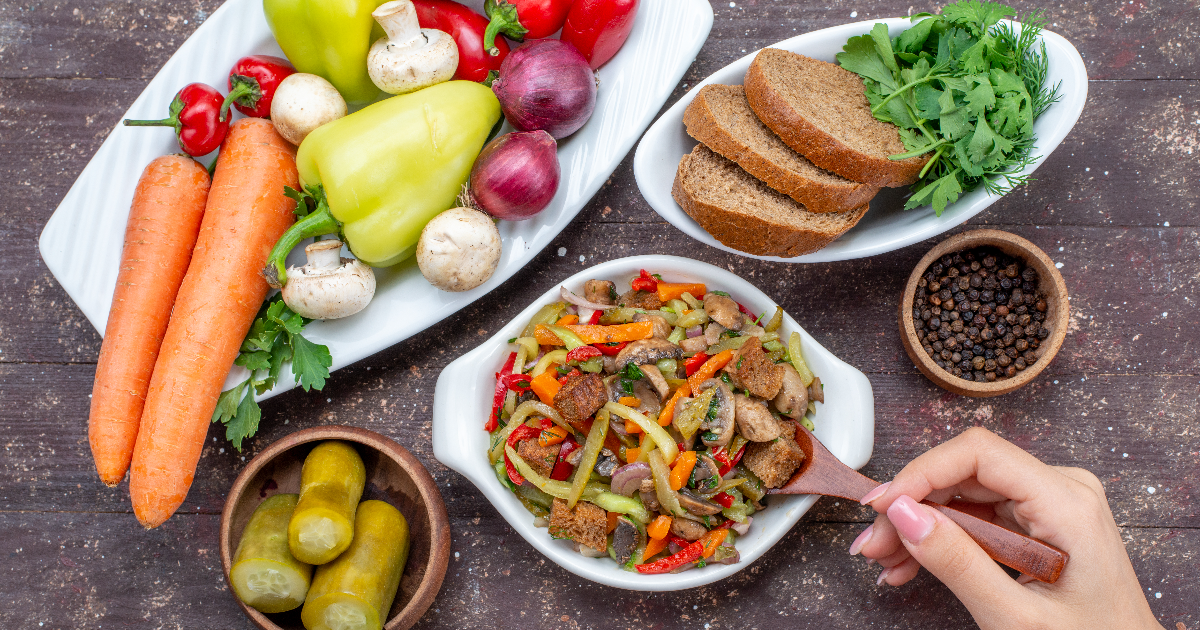
Most natural foods carry the real stuff your system uses daily vitamins, minerals, fibre, along with disease-fighting compounds. On the opposite end, heavily altered items like store-bought chips, sweetened breakfast grains, restaurant meals, or fizzy drinks lose what helps you while gaining heaps of sodium, refined sugars, fake tastes, plus greasy ingredients that do harm.
- Fresh picks usually line the market’s outskirts – walking there first makes sense, the center aisles host shelves of processed items
- Replace white bread and pasta with whole grain versions
- Start with veggies that haven’t been sitting in sodium heavy liquids fresh picks work well, so do freezer-stored kinds without seasoning packets
- Starting meals at home means knowing each part that goes in from raw items comes better awareness of flavor and source
2. A Balanced Plate Made Simple
Picture your dinner plate. Fill half with colorful veggies first. A chunk lands here, another there – no rules about types. Toss in a palm-sized piece of protein next. Could be chicken, beans, tofu, whatever fits. Now slide some whole grains onto the remaining space. Rice, oats, bread – it counts if it’s minimally processed. This setup skips numbers entirely. No scales, no apps, just sight and habit.
- Half your plate: non-starchy vegetables broccoli, spinach, peppers, tomatoes, zucchini – fill this space before anything else
- A quarter of your plate: quality protein chicken, fish, eggs, tofu, beans, or lentils – each option brings what your body needs
- A quarter of your plate: complex carbs brown rice, sweet potatoes, quinoa, or whole grain pasta – choose one from this group each time
- A small portion of healthy fat: olive oil, avocado, nuts, or seeds
Most days, your plate covers what your body needs no counting required. Whatever meals you prefer, from spiced dishes to olive-heavy ones, it fits right in.
3. Start Your Day With Breakfast That Matters
Starting the morning right begins with what you eat. Missing this meal can leave you drained by late morning, hunting snacks, then eating too much at noon. Fullness and steady attention come easier when eggs, oats, and avocado make an appearance early. Your body stays ready for whatever comes next if fuel arrives balanced – protein here, fibre there, a little good fat alongside.
- Eggs with whole grain toast and avocado
- Greek yogurt with berries and a handful of oats – each bite carries tang, sweetness, crunch
- A smoothie made with spinach, banana, protein powder, and almond milk – blend everything until creamy
- Overnight oats with nut butter and fruit
Midway through your morning, that slump might start earlier if breakfast includes jams on pale toast or muffins fresh from the bakery case. Sugar rushes hit fast then fade just as quick, tugging at hunger signals before lunch even nears. Skip the cereal drenched in sweet syrup, those buttery rolls melting in your hand, bread stripped of fiber spread thick with jelly – each one nudges energy skyward only to drop it hard minutes later.
4. Eat Slowly Notice Each Bite
Most days pass in a blur of screens and half-eaten sandwiches. Eating slowly means paying attention, really tasting what’s on your fork. One bite at a time, you start to feel fullness instead of ignoring it. Distractions fade when the phone stays face down. Flavors become clearer when nothing else competes for your focus.
Most folks find they consume fewer calories when paying attention to meals. Enjoyment climbs once distractions fade during lunch or dinner. Better decisions happen at the grocery shelf, too. A calmer bond with snacks and portions grows naturally over time. This quiet practice shapes daily habits stronger than strict rules ever do.
- Put your phone away during meals
- Chew each bite thoroughly before swallowing
- Sit properly at the table – focus on the meal, not flashing images, your body notices when you slow down
- Halfway into eating, stop and check in with your body – how full do you feel right now?
- Most of the time, pause before finishing your plate – it takes a while for signals to reach your mind, wait twenty minutes and see how you feel
5. Staying Hydrated Influences Hunger
Thirst sneaks up looking like hunger, so some grab snacks instead of a drink. Water matters just as much as food, though it rarely gets the attention it deserves. Eight to ten glasses daily should cover what the body needs.
Every day begins with water, nothing else first. A bottle stays nearby, always within reach. When hunger taps your shoulder, pour a glass instead – pause ten full minutes. Thirst often wears hunger’s mask. If the urge fades, it wasn’t food you needed.
6. Plan Meals and Prep Ahead
Most folks grab junk food because it’s right there. Tired and empty stomach? What sits closest often wins. Plan meals ahead, though, that trap disappears fast.
Weekends offer time to map out what you will eat each day. A clear shopping list keeps trips focused follow it without drift. Cooking big portions of rice, beans, or chicken early means less work later. Roast extra veggies while the oven is warm. Ready ingredients remove guesswork from busy days. When food waits in containers, better choices happen by default.
- Prep a big batch of brown rice or quinoa on Sundays
- Wash and chop vegetables as soon as you buy them
- Keep healthy snacks visible: a fruit bowl on the counter, nuts in a jar, yogurt at eye level in the fridge
- Freeze individual portions of soups, stews, or curries – some folks skip reheating pots entirely once these are chilled right
7. Limit Sugar, Salt, and Processed Foods
Too much sugar ranks among the worst things people eat today. Weight climbs, bodies swell inside, cells ignore insulin, teeth rot, hearts face higher odds of trouble, blood sugar dances toward diabetes. Hidden inside packaged items sits most of what humans swallow – think ketchup, sliced loaves, sweetened yogurt cups, fizzy workout potions.
Heavy hands with salt can push your blood pressure up, which in turn strains the heart. Check what is inside packaged items now and then many hide sodium where you would not expect. Try picking versions marked lower on the label when available. Shake fresh herbs or dried peppers onto meals rather than reaching for the salt shaker. Cutting back on sweets gives results fast – notice how steady your focus feels after a few days.
8. Choose Sustainable Options Without Giving Anything Up
Most diets fall apart because cutting out favorite foods feels like punishment. Instead of banning treats, swapping them for healthier versions often works much better. Satisfying cravings matters – this way, taste isn’t sacrificed while improving well-being.
- Swap white rice for brown rice or cauliflower rice
- Instead of chips, try popcorn made without oil or beans that are baked until crunchy
- Use Greek yogurt instead of sour cream or heavy cream
- Dark chocolate hits different when cravings strike swap in that rich bar instead of the milky kind, bitter notes linger longer without the sugar crash
- Try trading soda for sparkling water with a twist of lemon instead
Little changes stack fast. Week after week, month after month, your eating shifts no hunger, just steady progress.
Eat Well, Live Well
Most days, meals feel good when they start with things that grow. Paying attention while chewing changes everything slowly. Slip ups happen because humans change gradually, yet kindness speeds progress more than guilt ever could. Pleasure lives in flavor, texture, even smell joy needn’t hide behind rules. Eating well isn’t rigid; it bends like routine, shaped by patience.
Most days, good picks add up. Skip perfection. Try swapping one thing now – like water instead of soda. Later, maybe fruit over chips. Little shifts stack without drama. Living well slips into routine before you notice. The habit sticks because it barely feels like work.