





Lifestyle Gift Card are a gift that are actually used for a change. Learn what to pay attention to when choosing the right card, what pitfalls to avoid, and how to make the card more personal.
Nobody has ever received a gift card in a cheap envelope with a messy “enjoy” scribbles on it, but a lifestyle gift card, when done right, is one of the few gift ideas that actually have a chance to beat a wrapped present. It’s a gift that gives the recipient a choice: what dinner to order, what haircut to get, what weekend project to try.
The secret to successfully giving such a gift lies in choosing the right option. I’ve seen too many gift cards that the recipient never asked for and thought nothing of when the time came to say thanks.
This is the long version of what I’m going to tell you over tea in this very situation: how to choose a lifestyle gift card that will be received as thoughtfully as possible, what are the rules and pitfalls of gift cards, and how to give a gift card so it feels more personal and less like a generic present.
What Do We Actually Call Lifestyle Gift Cards?
Since it’s a somewhat vague term, let’s define exactly what we mean when we say lifestyle. Lifestyle gift cards are cards that give the recipient an opportunity to purchase goods and services related to a comfortable, enjoyable life: eating out, a haircut, a gym membership, clothes, houseplants, or a hobby class.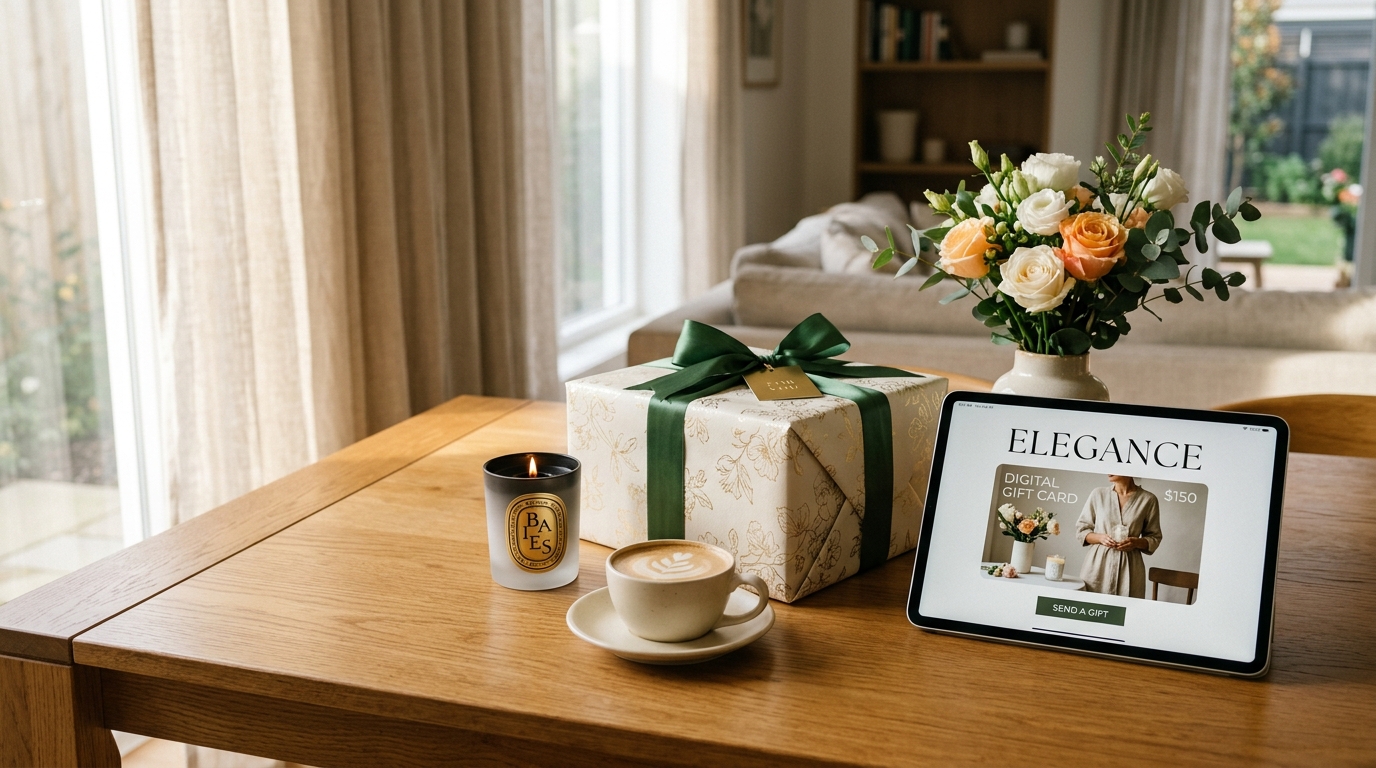
They don’t include utility or mobile phone gift cards, as convenient as they might be for the recipient.
Single-Brand Cards
These cards give the recipient an option to make a purchase at a particular store, restaurant, or another establishment. It requires knowing the recipient’s preferences well, as it’s a fairly limiting gift. If they have a favorite boutique that they’ve mentioned more than once, this could be a great option.
The obvious downside is that the recipient might no longer have access to this place, be it due to moving or other circumstances.
Multi-Brand and Mall Cards
Meanwhile, multi-brand cards are a safer option with a more comfortable choice, as they can be used at multiple venues or shops. They’re more of a generic present but are great if you know little about the recipient’s preferences, which might be the case if you’re buying for a colleague.
Plastic Cards Versus Digital Gift Cards
Digital lifestyle gift cards are sent electronically, either via email or text, and are usually ready to use right away. Cards on plastic can be hidden in a book or a potted plant as a surprise. I prefer plastic cards for in-person gifting and digital cards for distant gifts or last-minute purchases.
One note about digital cards: a well-worded message with such a card is always welcome, while a card with no words is barely a present at all.
Open-loop Versus Closed-loop Cards, Without the Buzzwords
When selecting a lifestyle gift card, you’ll inevitably come across terms “open-loop” and “closed-loop”, but here are some simple explanations about what they mean. Closed-loop cards can only be used at the issuing store or venue, while open-loop cards have a payment network’s logo on them, meaning that they can be used almost anywhere, with very few restrictions.
According to Tremendous’s closed-loop gift card guide, a card from the Gap family of stores, for example, can be used at most Gap-owned venues, while an open-loop card simply has a payment logo on it.
It sounds like open-loop cards are the way to go, as they offer way more choice and flexibility.
The Hidden Fees
However, the same Tremendous guide points out that open-loop cards sometimes require an activation fee, which is paid by the card recipient upon receiving the card. Itself could cost between 3$ and 6$. Additionally, if the card recipient doesn’t use the card for around a year, they might have to pay inactivity fees, while some cards simply expire after one or two years.
Meanwhile, closed-loop cards usually don’t have these restrictions, which is why I personally prefer them if the recipient has specific preferences.
Which One I’d Choose as a Gift
If I know the recipient’s preferences well and have a good idea of the venue or store they’d like to see themselves at, I’ll choose a closed-loop card, as it doesn’t have any restrictions or fees.
In other cases, when I have little to no information about what the recipient may or may not like, I’ll choose a multi-brand card over an open-loop card to avoid extra fees that most recipients wouldn’t be aware of.
The Terms and Conditions That Save You Hassles
Few people know that a gift card is actually a financial instrument with a long set of terms and conditions. Knowing something about them makes both the giver and the recipient of a lifestyle gift card safer and more confident about the transaction. A good place to start is a CFPB gift card guide published by the U.S. Consumer Financial Protection Bureau.
It’s an old article, with a note saying that some of the information might be outdated now, but most of it still applies. The article goes over the basics of buying and using a gift card. I’ll give you some highlights here.
The Five-Year Expiry Rule
According to the federal regulations described by the CFPB, a gift card cannot be sold if it has an expiration date within five years from the purchase date.
This means that if a card you received has an expiration date, you can contact the issuer using the phone number on the back of the card and ask them to replace it for free.
Note that some states have additional regulations, and some cards, particularly reloadable prepaid cards, that aren’t marketed as gift cards, may not fall under these regulations at all.
No Fees Within the First Year
According to the same article, gift card issuers cannot charge service or inactivity fees within the first twelve months of purchase. However, they can do so after that, so always read the fine print on the back of the card before making a purchase.
Lost or Stolen Cards, or a Closed Store
Another vital detail from the article states that a card issuer is not obliged to replace a lost or stolen card, and some only do so if the card was registered with the issuer.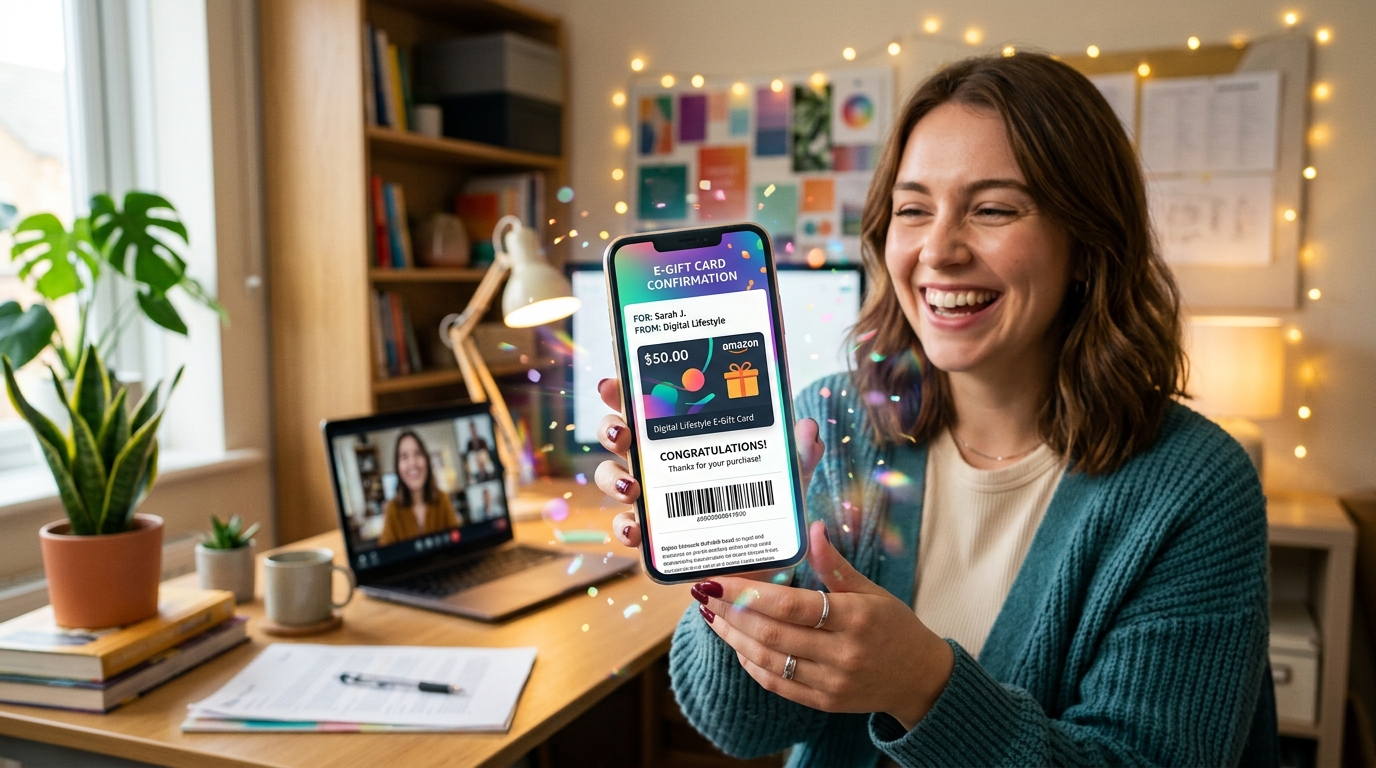
The same goes for cards that can no longer be redeemed because the store has closed. This is why I always advise researching the place or venue before purchasing a lifestyle gift card for someone else. Unless you’re certain that it has a good reputation and isn’t at risk of closing in the foreseeable future, it’s safer to choose a well-known local establishment that’s less likely to disappear one day.
Choosing the Right Card for the Recipient
Perhaps the most important piece of advice in this entire article concerns choosing the right card. A card that is right for the recipient is always better than a card that is merely good. What I mean is that a card that is suitable for the wrong person and a card that is slightly worse but given to a person who will truly enjoy it are both barely presents.
When in doubt about the recipient’s preferences, always do a little research. Ask yourself: where does this specific person like to shop or eat?
The Person That Seems to Have Everything
It’s always a challenge to find a gift for someone like that, as they’ve already received almost everything one could think of. For such a person, an experience is always a good idea.
I’m talking about a restaurant visit, a spa day, or a hobby class. It’s a good idea to choose a specific venue and date for such a gift since it’s more personal than a generic card.
New Parents
New parents need rest, good food, and sometimes help, so a lifestyle gift card to a good restaurant or a local takeaway is always a safe choice. Another great option is a card to a place offering massage services with options for a baby sitter. However, a baby gift shop is probably not the most needed item.
Teenagers and Students
Money is always a good gift for a teenager or a student, but a themed lifestyle gift card is even better, especially since cash gifts tend to be spent on small everyday things. A lifestyle gift card for music, a clothing store, movies, or drinks is always a good idea, and a closed-loop card is preferable if the teen has a favorite store or service.
Colleagues and Teachers
A coffee shop card is always a safe gift for a colleague or a teacher, but a bookstore or a small flower shop card is even better. Avoid anything too personal, as it might come across as intrusive.
Parents and In-Laws
Some people, particularly in-laws, tend to dislike receiving gifts, so a lifestyle gift card is the perfect surprise for such people. A restaurant card is always a good idea, but it’s better to choose somewhere that the recipient is unlikely to choose on their own. I always recommend adding an offer to assist the recipient in redeeming the card, such as taking the child to the restaurant so that the parents can have an evening off.
Dining Cards: The Ultimate Safe Gift
Gift cards for food are one of the most common types of lifestyle gift cards. Almost everyone likes to eat out, and almost no one has the time to cook for themselves or others more than once in a while. However, a generic card for a local restaurant is a boring card, so it’s worth choosing a specific venue or a restaurant that the recipient has expressed interest in.
Restaurants With Some Class
It’s always a good idea to choose a venue that is a little fancier than the recipient is used to. If someone normally eats at a 15$-restaurant, a 25$-card will give them an opportunity to try a better establishment. Choosing an interesting venue is a good way to make the recipient feel extra special.
Coffee, Bakeries, and Everything Else Edible
Coffee shops and bakeries are great places to buy a lifestyle gift card, as most people enjoy these kinds of treats, and few of them spend enough money on them already. I always give a bakery card to a neighbor as a token of appreciation.
Delivery Services and Home-cooked Meal Kits
Lifestyle gift cards for delivery services and home-cooked meal kits are extremely practical, especially for the times when the recipient is too busy to cook or doesn’t feel like it. They’re safer and more convenient than traditional dining cards and are also very much appreciated by people who have to be at home but don’t want to be there.
Wellness Cards and Self-care
Spa and self-care products are always a good idea, as they give the recipient a chance to relax and take care of themselves.
The biggest downside about most wellness cards is that they usually list the prices for various treatments, while a specific treatment isn’t named. If the card gives the recipient an option to choose between a 50$-massage and a 90$-massage, they’re likely to feel ripped off when they have to pay 90$ for a 50$-treatment.
Spa, Massage, and Facial Treatments
Whenever it’s possible, I always choose a card that specifically states the treatment included rather than a total value. A 60-minute massage is much better than a 50$-massage, as it specifies the length and, by extension, the treatment.
Fitness Cards, Gyms, and Sports Classes
Gym memberships and fitness cards are a very tricky gift to give, as there’s a certain judgment attached to them. I only choose this option if I’m certain that the recipient will actually enjoy it or if they’ve asked for it specifically. A card to a sports class or a fitness studio is a safer option.
Salon and Barber Cards
A card to a salon or barber is always a good idea, as most people rarely treat themselves to a haircut but always feel better after it. I always recommend getting a card that specifically states that it can be used for a haircut rather than a full set of treatments. It’s also a good idea to remind the recipient to pamper themselves by writing a note along with the card.
Living at Home and Every Day Essentials
I’m always surprised by how few people buy houseplants, so a gift card to a local nursery is always a good idea. It’s also a great idea to buy such a card if the recipient has recently moved or if they have a balcony they want to fill with plants.
Homeware Cards, Candles, and Other Household Supplies
A mid-range homeware store card is always a good gift, as it can be used both for housewarmings and for birthdays. It’s always a good idea to research the store’s physical availability in the recipient’s area in advance. While many stores offer online shopping, some only have physical locations.
Bookstores and Hobby Shops
I’m a firm believer in bookstores, and I think that a bookstore card is one of the safest gifts, alongside a card to a hobby shop. They’re personal, they say that the giver has taken the time and effort to research what the recipient may like, and they’re difficult to overdo, unlike some other types of gifts.
Clothes and Beauty Cards
Cards for clothing stores are a tricky gift to give, as they’re very subjective, but they’re always appreciated. Beauty cards are a good option for someone who already takes care of their skin but are a bit presumptuous for someone who doesn’t. A card for a hairdresser service is always a good idea, but a skincare product store requires more consideration.
Department Store Cards
A department store card is a safe option for a lifestyle gift card if the giver has no idea about the recipient’s preferences, as it can be used to purchase almost anything.
Cards for Independent Boutiques
If there’s an independent boutique that the recipient loves, a card from there is a great gift, both for the recipient and for the small business owner. It’s always a good idea to research whether the store issues cards and whether the cards are easy to use before purchasing one.
Experiences and Entertainment Cards
Cards for experiences have become significantly more popular in recent years, and I can see why. Most people rarely remember the presents they receive, but they always remember the unforgettable evenings they spend with their loved ones.
A card to a cinema, a concert hall, an escape room, a cooking class, a winery tour, or an adventure park are all great options, but I think that an experience card should always have a specific offer or event. A card stating that the recipient can visit the cinema twice is much more exciting than a generic card for the entire cinema.
Cards for Classes and Workshops
Lifestyle gift cards for classes and workshops are always a good idea if the recipient has expressed any interest in them. Pottery, perfume-making classes, sourdough baking, painting, and woodwork are all popular activities that most people enjoy, but few of them take the initiative to sign up. A card is a great way to encourage such an idea.
Cards for Date Nights
A card that specifies that the recipient can use it for dinner, a movie, or another date activity is always a good idea, especially for couples with children who have little opportunity to spend time together. A card for an event that includes a date is also a good idea.
Cards for Travel-related Expenses
A card for travel-related expenses is usually an addition to a more substantial gift but is an excellent idea all the same. It can be used for a weekend getaway, a train ride, or a lounge at the airport.
How Much Is Too Much?
It’s a very subjective question, and I don’t know if there is an answer, but I’ll give you my best advice on the subject. A card’s value depends on the relationship with the recipient and the occasion.
A ten or fifteen$ card to a local coffee shop is a nice gesture for a colleague, but fifteen$ would be a light gift for a friend, and twenty$ would be better for a spouse or a significant other. A card’s value should also depend on the occasion: the more important it is, the more you should spend.
It’s also a good idea to avoid cards with round sums: ten, twenty, fifty, or a hundred$ cards. More often than not, the recipient will have to leave some of that money unused. Whenever it’s possible, I choose a card with a value that roughly corresponds to the price of an average product or service, such as a twenty$-haircut or a fifty$-restaurant visit.
Don’t Go Too Low
A five$ card is barely a gift. If the budget doesn’t allow for a bigger card, it’s a better idea to write a note to the recipient and give them a smaller present instead of a large card.
How to Make a Lifestyle Gift Card More Personal
Most people make the mistake of forgetting that a gift card is only the beginning of a present. Giving a gift card is more or less the same as giving cash: it’s a good basis for a bigger gift but requires some extra effort to become a present. If you want to give a gift card and make it memorable, here’s what I suggest.
A Simple Note
I think it’s obvious, but it’s always a good idea to write a short note along with a gift card. The note doesn’t have to be anything special: a simple “this is a card for that pasta place you’ve been talking about” is perfectly fine.
Smaller Presents Wrapped in a Card
It’s always a good idea to hide a small present along with the card, ideally in a book, a plant, a jar, or a tea bag. If the card is for a spa or a massage, it’s a good idea to add a face mask or some cozy socks. If it’s for a restaurant, add some candles for the table. It doesn’t have to be anything expensive: a small thoughtful gift wrapped in a card is always better than a generic one.
Tell the Recipient What to Do With the Card
If it’s a card for an experience, it’s a good idea to tell the recipient what to do with it, such as take a friend to an escape room or surprise the family with a visit to a movie theater. A card for an experience is a gift that requires action, and many people will forget about it. A note saying that the card is for a weekend getaway and asking the recipient to contact you about the date and the place will help them remember it.
Where to Buy Gift Cards
Always buy a lifestyle gift card from the issuer or a popular retailer. It’s a generic piece of advice, but it’s the truth.
According to the FTC’s guide to avoiding scams, it’s essential to buy gift cards only from trusted stores. The article also warns against buying cards from auction sites, as they can be counterfeit. The FTC’s article also says that a gift card is a financial instrument, and a responsible issuer will put protective stickers on the card to ensure that the PIN can’t be stolen.
Check the Card Before Buying
Always check the card for any signs of tampering. If the card’s pin panel is marked, or the protective sticker is missing, it’s better to choose a different one. It’s better to walk to the back of a display and ask a shop assistant for a card with an intact sticker.
Keep the Receipt and Take a Photo
According to the CFPB’s advice on gift card usage and purchase, a gift card is a financial instrument, and it’s better to treat it as cash. The article advises to keep track of the gift card’s number and the issuer’s customer service number, but it’s even better to take a photo of the card and the receipt before leaving the store. If something goes wrong, the card can be canceled and reissued.
Scams to Watch Out For
Fraudsters often target gift card owners, so it’s essential to know how to protect yourself. According to the FTC’s guide to gift card scams, fraudsters usually contact the victim via phone, text, email, or social media.
The scam involves convincing the victim to buy a gift card and provide the scammer with the card’s details. The scammer may stay on the phone while the victim buys the card and ask for the PIN or a photo of the card’s back to withdraw the money.
Gift Card Scams and Red Flags
It’s essential to be wary of scams and know what to do if one occurs.
Always be on the lookout for phone calls asking you to purchase a gift card and provide the PIN or any personal information. Some gift card scams involve fake check-cashing services that promise to cash a check for you after you’ve bought a gift card and sent the PIN to the scammer.
Romance scams also involve gift card scams, as fraudsters pretend to be interested in you and ask for a gift card to buy them something. Another type of scam is related to prizes: fraudsters promise you a prize but ask you for a gift card to pay for shipping or taxes.
The FTC’s article mentions that a phone call from a government agency or an official asking you to send a gift card to pay for something is almost certainly a scam. Always remember that no legitimate organization will ask for a gift card, and report scams to ReportFraud.ftc.gov.
Receiving Lifestyle Gift Cards: A Guide for Recipients
Now that you know how to give a lifestyle gift card, here’s how to receive one. Here’s what to do when you receive a lifestyle gift card, in my opinion.
Read the Fine Print
I always advise to read the fine print on the back of the card or on the issuer’s website to understand the card’s terms and conditions. Check if the card has an expiration date, if there are any fees associated with it, or if it can only be used for a specific purpose.
Save the Card
Always save the card somewhere safe or remember the card’s digital code if it’s a digital card. Most importantly, remember that the card is a gift and that there’s no need to spend it right away. The CFPB’s article on gift card usage advises to spend the gift card before it expires, but it also says that a card is more likely to be lost or forgotten if it’s not used often. Whenever it’s possible, try to spend the gift card before the end of the year.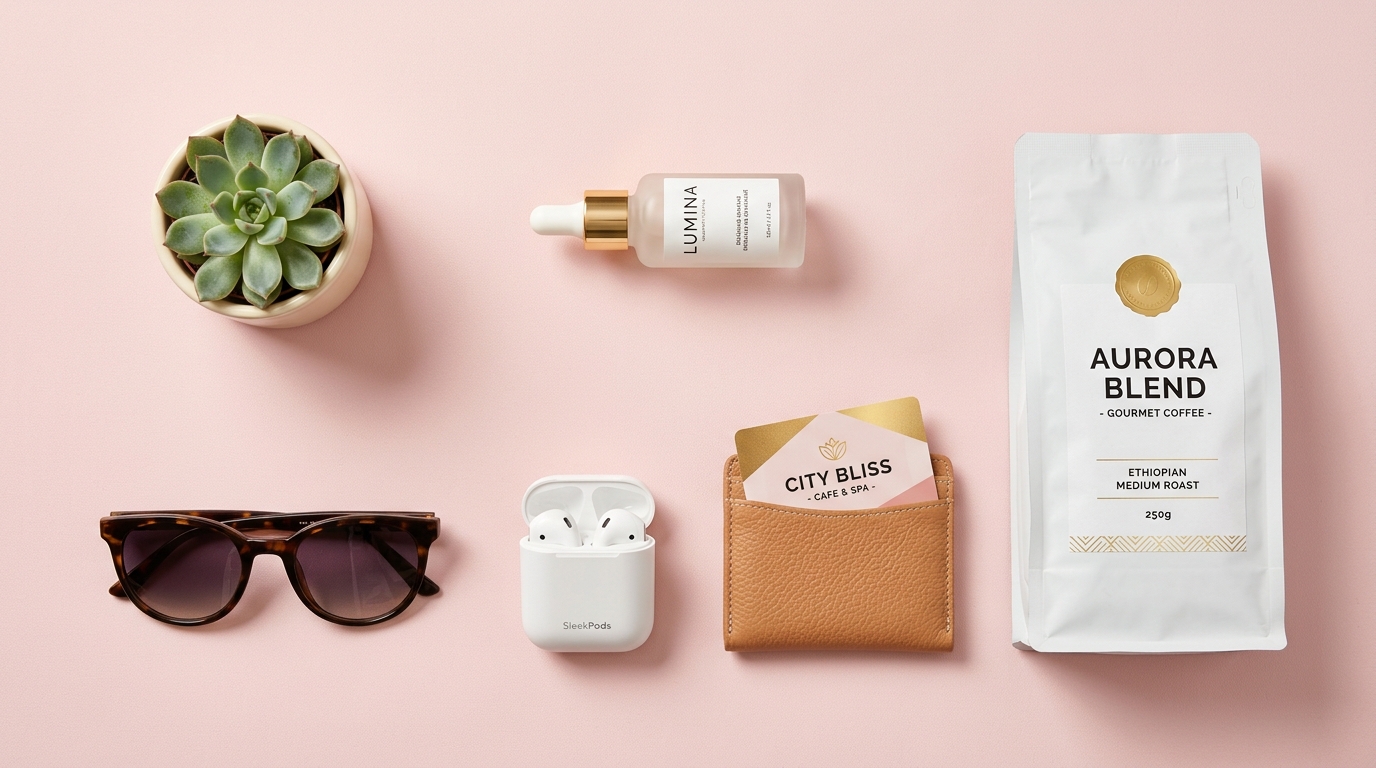
Spend It All
I always advise to spend it all, but it’s normal to have some money left over if the value of the card is significantly higher than the price of the desired product or service. In this case, it’s better to pay for the desired product with the card and ask the shop if it’s possible to cash out the remaining amount. Some stores will do this, usually according to the local laws, but most won’t.
Give it Away if You Can’t Spend It
If a lifestyle gift card can’t be spent, it’s a good idea to give it away to someone who can. This advice mainly applies to cards that can only be spent on specific products or services. If a card can only be spent on books and the recipient is no longer interested in reading, it’s a good idea to give it away to someone who has an interest in reading.
I hope that this lengthy guide was helpful, and you’ll be able to choose the perfect gift card for any occasion!