



Fashion in 2026 is no longer just about clothing,it’s an evolving blend of self expression, technology, and responsibility. With environmental consciousness on the rise and digital innovation shaping lifestyles, the fashion industry now focuses on sustainability, inclusivity, and smart design. People want to look stylish and feel good about their choices, supporting brands that align with ethical and eco friendly values.
This guide explores the latest fashion trends of 2026, essential wardrobe items, styling advice, and the role of sustainability in modern attire. Whether you’re a student, professional, or style enthusiast, this overview helps you understand the key elements of modern, sustainable, and affordable fashion.
Understanding Fashion and Its Importance
Fashion represents the popular styles of clothing, accessories, and aesthetics at a given time. It’s shaped by culture, media, technology, and personal taste. Beyond appearance, fashion is a reflection of identity, confidence, and social belonging.
What we wear communicates who we are formal attire conveys professionalism, while relaxed outfits emphasize comfort and personality. Fashion also has economic value, providing millions of jobs and driving global creativity and innovation.
In short, fashion connects individual expression with cultural evolution and plays a vital role in both personal and societal development.
Top Fashion Trends in 2026
Fashion in 2026 embraces three core values: diversity, comfort, and sustainability. These define the trends dominating wardrobes across the globe.
Sustainable Fashion
Sustainability leads the way. Consumers are rejecting fast fashion and turning toward eco-friendly fabrics like organic cotton, hemp, and recycled polyester. Brands are adopting ethical production methods, reducing waste, and ensuring fair wages. Biodegradable materials and circular fashion initiatives where clothes are reused or recycled are becoming industry standards.
Minimalist Style
Minimalism remains timeless. Focused on clean lines, neutral colors, and versatile design, minimalist fashion promotes buying fewer but higher quality items. Neutral tones like beige, black, white, and grey make outfits adaptable for various occasions. The motto: simplicity is sophistication.
Oversized and Relaxed Fits
After years of structured silhouettes, comfort-first fashion dominates. Oversized shirts, wide leg trousers, loose blazers, and hoodies create effortless yet stylish outfits. This trend blends casual and chic, ideal for both remote work and urban streetwear.
Vintage and Retro Revival
The late ’90s and early 2000s are back. Think high waisted jeans, slip dresses, retro prints, and graphic tees. This revival connects nostalgia with modern versatility, showing how trends evolve in cycles rather than disappear.
Tech-Integrated Fashion
Technology is merging with clothing like never before. Smart fabrics now respond to environmental changes adjusting temperature, tracking health metrics, or even charging devices. Meanwhile, digital fashion and virtual clothing are rising through online platforms and the metaverse, allowing users to express style virtually.
Essential Wardrobe Staples for Everyone
A smart wardrobe doesn’t require endless shopping it relies on timeless, versatile pieces you can easily mix and match. Investing in quality wardrobe staples saves money while keeping your look fresh year round.
Must Have Clothing Items
- Classic white shirt: Perfect for both formal and casual styles.
- Well-fitted black or blue jeans: Dependable for any occasion.
- Neutral blazer: Adds instant polish to everyday outfits.
- Solid-color T-shirts: Simple, comfortable, and layer-friendly.
- Comfortable sneakers: Ideal for all day wear.
- Denim or leather jacket: Great for layering in cooler months.
- Traditional outfit: Essential for cultural or formal events.
These essentials form the core of a versatile wardrobe. When styled creatively, they provide dozens of outfit combinations with minimal effort.
Styling Tips for Men and Women
Looking fashionable doesn’t require expensive labels,it’s about dressing smartly and with confidence.
General Styling Tips
- Choose clothes that fit properly neither too tight nor too loose.
- Select colors that complement your skin tone.
- Keep outfits balanced and cohesive.
- Prioritize cleanliness, grooming, and well-maintained clothing.
- Use accessories sparingly for a refined look.
Fashion Tips for Men
Men’s fashion in 2026 focuses on structure and simplicity. Choose well-fitted shirts, chinos, and tailored blazers in neutral colors. Minimal accessories like a classic watch can elevate an outfit. Shoes should always be clean and suit the occasion.
Fashion Tips for Women
Women have the freedom to experiment with texture, color, and layering. Statement accessories, handbags, or scarves can add personality. The key is harmony balancing bold elements with subtle pieces. Most importantly, dress according to comfort and body shape for lasting confidence.
Ultimately, the most stylish accessory anyone can wear is self assurance. When you feel confident, your outfit naturally stands out.
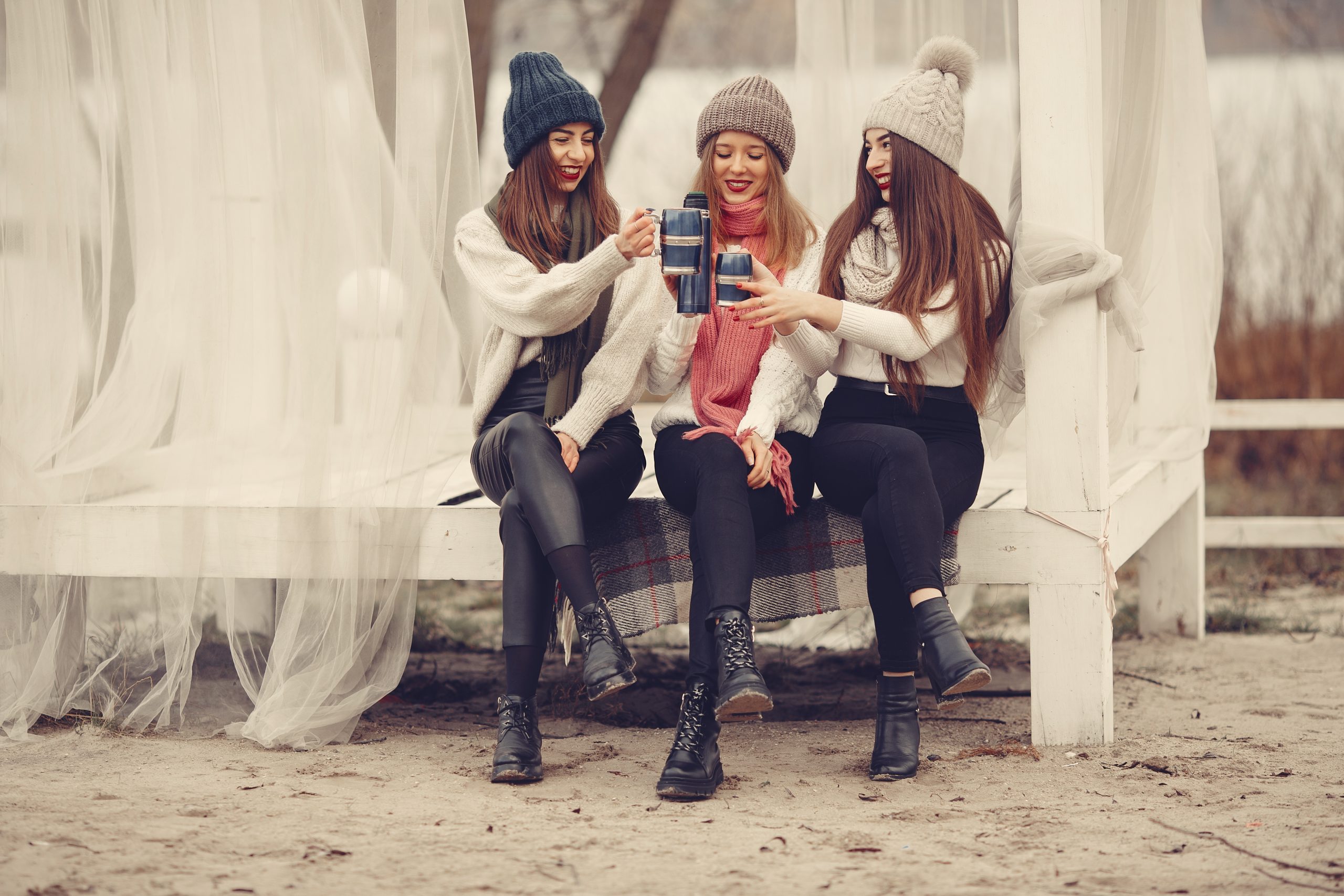
Every season brings different textures, colors, and layering needs. Dressing appropriately for the weather keeps you comfortable and stylish.
Summer
Opt for lightweight, breathable fabrics like cotton, linen, and bamboo. Stick to bright or pastel shades to reflect heat. Flowy dresses, shorts, and sandals define effortless summer fashion.
Winter
Prioritize layering and warmth. Sweaters, coats, scarves, and boots dominate winter wardrobes. Choose darker shades and heavier fabrics like wool and tweed for both comfort and sophistication.
Spring and Autumn
Transitional seasons call for versatile pieces light jackets, cardigans, and midi dresses. Spring favors floral prints and soft hues, while autumn welcomes rustic colors like burnt orange, olive green, and brown.
The Rise of Sustainable and Ethical Fashion
The push toward sustainability has transformed the fashion world. Fast fashion, though affordable, has long been criticized for environmental damage and unfair labor practices. By contrast, sustainable fashion focuses on eco conscious production and long-lasting quality.
Benefits of Sustainable Fashion
- Minimizes pollution and textile waste
- Supports fair wages and ethical labor conditions
- Encourages thoughtful consumption
- Promotes durability and product longevity
How to Practice Sustainable Fashion
- Buy fewer, better quality clothes.
- Support local or ethical brands.
- Reuse, recycle, or donate old outfits.
- Avoid unnecessary impulse shopping.
Small steps like these collectively make a big difference, creating a greener and fairer fashion ecosystem.
Influence of Social Media on Fashion Trends
Social media has redefined how trends emerge. Platforms like Instagram, TikTok, and Pinterest influence millions daily, turning micro trends into global waves in a matter of hours.
Impact of Social Media
- Instant access to global fashion inspiration
- Growth of influencer led brand marketing
- Rise of independent and online fashion labels
- Enhanced awareness of diversity and inclusivity
However, blindly following trends can lead to overconsumption. The key is to adapt social media inspirations to suit your personal style and lifestyle, creating looks that feel authentic rather than imitated.
Budget-Friendly Fashion Tips
Fashion doesn’t need to be expensive. Strategic shopping and creativity can keep your style sharp while saving money.
Smart Shopping Tips
- Shop during sales or clearance periods.
- Invest in pieces you can use multiple ways.
- Mix premium basics with affordable finds.
- Avoid impulsive trend purchases.
Creative Fashion Ideas
- Upcycle old clothes through patchwork or tailoring.
- Experiment with accessories to refresh old outfits.