




Why Most Self-Improvement Advice Fails
Billions flow into personal Self-Improvement Tips growth every year, drawn by bright promises of new beginnings. Lasting shifts rarely follow. The tips might sound right still they miss the point. Feeling inspired does not build habits. Change needs structure, not just sparks.
Lasting growth grows from routines, not sparks. Sparks fade fast they rise, then drop out. Routines stick around, pulling actions forward even when moods shift sideways.
This guide leans on proof-backed methods, clear-eyed outlooks, one step at a time. Not empty cheers meant to fade by next Tuesday. Built different: steady routines over loud promises. Lasting change grows quietly.
Identity-Based Habit Formation: The Foundation of Lasting Change
Start by seeing yourself differently, then watch actions shift on their own. Say “I am someone who moves every day” instead of aiming to work out more often. Call yourself a person who reads when the habit feels distant. Shift the label you carry, behavior tags along behind.
Choosing different choices begins when self-image changes. A salad lands on the table because it fits how someone now sees themselves, not because they fought off fries. Writing shows up regularly only after a person believes they are one who writes. Actions follow belief, slowly replacing effort with habit.
Start by doing little things, again and again. Each choice that matches who you want to become counts like a ballot for that person.
Goal Setting That Actually Works: From Vague Wishes to Concrete Plans
Vague goals produce vague results. “I want to get in shape” is not a goal it is a wish. “I will do 30 minutes of exercise five days per week, tracking my workouts in a journal, for the next 90 days” is a goal.
Most folks know SMART goals by now Specific, Measurable, Achievable, Relevant, Time-bound yet the core idea holds up well. When a target takes clear shape in your mind, the steps forward show themselves without much fuss.
Self-Improvement Tips: Small Changes That Actually Stick
Starting small beats chasing big dreams every time. Picture this: tiny changes, done often, actually stick around. Most people get stuck trying to do too much right away. Instead of reading more or moving more, pick just one thing – something so easy it feels almost silly. Growth sneaks up on you when you’re focused on consistency, not perfection.
You might overlook how powerful routine can be. Yet showing up daily, even briefly, builds something lasting. Forget fixing your whole life today. Progress hides in what you repeat without thinking. Little shifts, done on purpose each day, slowly reshape your mind, tasks, even mood. Try these real steps to begin.
1. Clear, Specific Goals
Most folks say things like get healthy or stay busy, yet those words float without shape. A real aim shows up when rain taps the window at three p.m. Clear targets hand you a move, not just a dream. What matters sits in your hands, not above your head.
Replace vague intentions with concrete targets: not “read more” but “read 20 pages before bed, four nights a week.”
Start by slicing big targets into tiny checkpoints – this way each step shows movement. Watch how shifting focus to mini achievements keeps momentum alive without pressure building up.
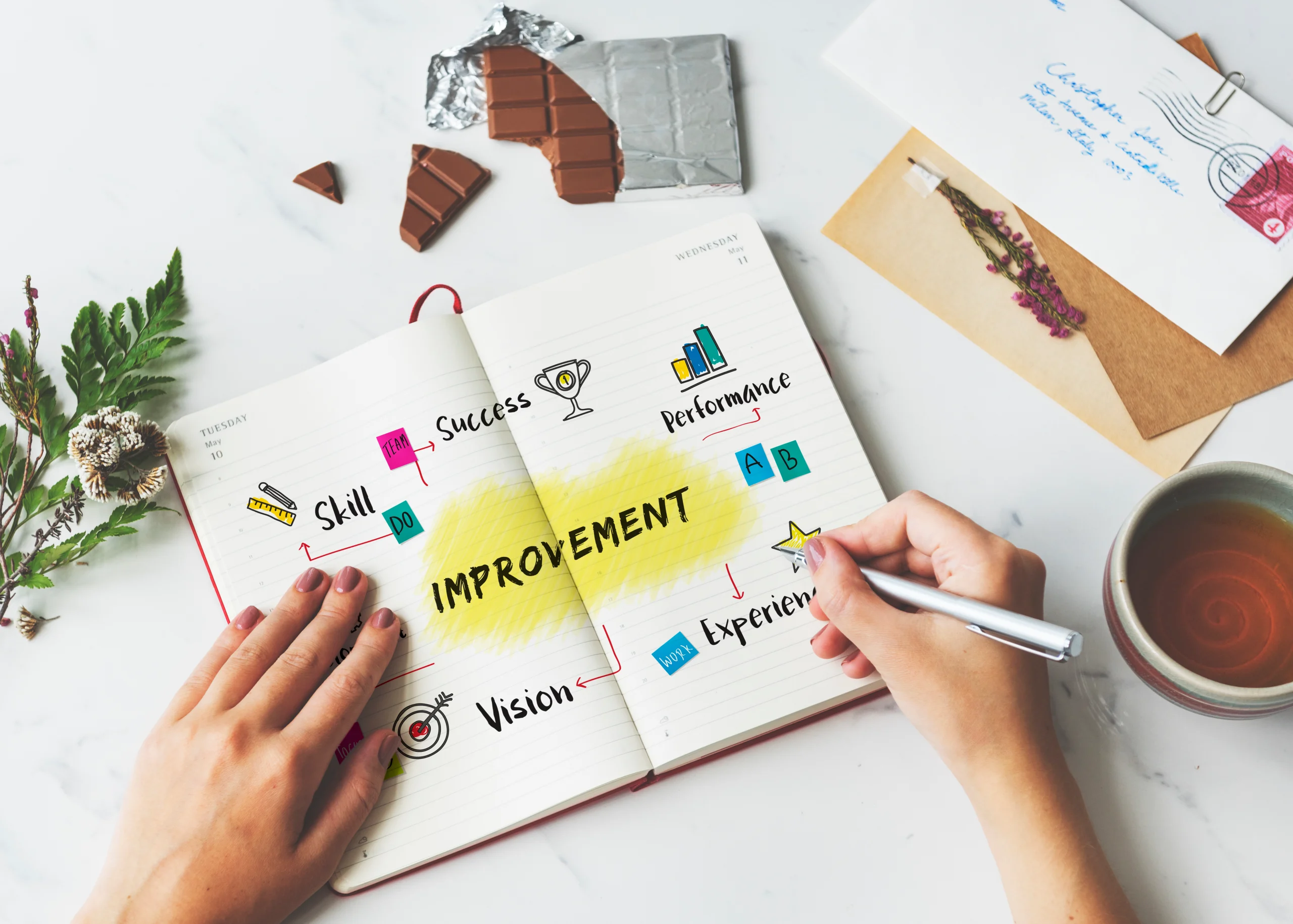
Putting pen to paper shapes thinking. That motion sharpens purpose, making quiet retreat less likely.
2. Build One Habit at a Time
Most folks fail when they try changing how they eat, sleep, work out, and think – all starting Monday. That kind of push burns through willpower fast. Tackling everything together often leads to quitting every habit by April.
Start with just one habit. Stick to it for a while. Then think about starting something else.
Right after pouring my morning coffee, I scribble three lines into a notebook – makes it stick without effort. A small moment hooks the habit like gravity pulling down rain.
Start messy. Slip once, you’re still moving forward. Wait two days though, that’s when momentum dies – jump back right away. Speed matters more than staying perfect.
3. Cultivate a Growth Mindset
Stuck on a setback? The way you see it decides if you push forward or walk away. Some folks think they hit a wall – like being bad at something means they always will be. Others act like mistakes are clues instead. They say things like, “Not there now,” then point at what needs shifting next.
Start by catching the words you say to yourself when things go wrong. When you think I failed, pause. Try saying that method did not get results instead. Shift to asking what step follows now. Let the next move matter more than the last one.
Most growth hides in moments people want to escape. Try leaning into uneasy reactions rather than stepping away.
Practice shapes ability far more than natural gift ever could. What matters grows with doing it again and again.
4. Make Time for Continuous Learning
Curiosity fades, progress follows. Skipping classrooms is fine – what matters lives in questions about your work, routines, even the weather. Stagnation creeps when wondering ends.
Just fifteen or twenty minutes each day can go toward reading, studying something new, or practicing a growing skill.
Start by watching those who already walk your path. Pick up ideas from their stories between book covers. Listen closely when they speak in recorded talks. Find someone willing to share their time and thoughts. A real chat can reveal what guides them each day.
Right away, put ideas into practice. When unused, facts slip away – when challenged, they stay. What gets done becomes part of you.
5. Prioritize Physical and Mental Health
When rest is broken, everything else wobbles. Fixing habits without fixing how you move through the day often fades fast.
When sleep stays steady, thinking sharpens – simple moves during the day tilt everything toward balance. Motion feeds clarity just as much as rest does, though few notice the link at first glance.
Breaks matter more than you think. Without pauses, effort turns into exhaustion – growth stops when recovery is skipped.
Just because you can’t see it doesn’t mean it isn’t there – mental strain weighs just like a fever or broken bone. Sitting down with a therapist helps some folks breathe easier, while others find relief by writing late at night. Sharing thoughts across a kitchen table with a friend who listens closely? That counts too. Strength shows up in quiet ways, like reaching out instead of shutting down.
6. Practice Self-Reflection
Most folks keep pushing, never stopping to look back. Yet tiny shifts only show up when you pause now and then. Watching closely reveals what rushing hides. Without that moment of quiet, effort just spins in place.
Once in a while, pause and think. Look back at what actually helped. Notice what just got in the way. Then decide – what shifts next time?
Most days blur together, yet scribbled thoughts – brief, messy ones – can slowly uncover what routine conceals. A single line here or there might show rhythm where none seems present.
Start by noticing how often reflection slips into judgment without warning. Honest looking means staying open instead of turning harsh on yourself. Watch the difference unfold slowly through practice.
7. Strengthen Your Relationships
Alone time might get credit for growth, yet those nearby quietly shape how you act, think, even bounce back.
Start with people who lift your mood instead of those you keep around out of habit. Finish where energy flows both ways rather than staying stuck in one-sided ties.
Start by speaking up when something bothers you, so tiny issues do not pile into bigger ones later. A quiet pause today might mean louder tension tomorrow instead of clear words shared earlier.
Start by reaching out when things get tough. With someone beside you, moving forward often takes less time than going it alone.
8. Choose How You Spend Your Time
Later today, look at how minutes slip through fingers like sand. Most choices about hours feel accidental, almost lazy. Instead of packing every moment until it bursts, try matching tasks to what truly matters. Attention follows where effort lands – sometimes that reveals uncomfortable truths. Each day holds the same number of ticks; how they’re used divides regret from peace.
Start by naming just one or two things you truly care about. See where most of your hours actually land each day. Watch closely – does the time match what matters? A few clear focuses often show where effort really flows.

Hours slip away without notice. Think about how often you scroll with no purpose. That time adds up fast. Jumping between tasks can feel busy yet achieve little. Some meetings happen just because they’re on the calendar. Quiet moments lost here matter more than we admit.
Start slow. A jammed timetable blocks surprises, also chokes reflection.
9. Build Resilience by Facing Little Difficulties
When you keep meeting small struggles head on, toughness grows – each time the sting fades a little. Not by stepping back, but moving through, does strength take root slowly.
Start by picking tiny challenges that feel just a bit off balance – maybe speaking up when it’s awkward, trying something you’ve never done, or facing a task that seems strange at first glance.
Most of the time, tough moments pass – hard to believe it right then, but true later. A stumble rarely ends everything, though it might seem like it does. When things go wrong, breathing helps more than panic. What feels crushing now often shifts with time passing by. Moments after disaster strikes, hope seems lost – yet people keep moving anyway.
Start small – resilience grows through doing, not just being. It shows up when effort replaces expectation. Each moment tests it differently. Practice shapes how you respond. What matters is showing up again after setbacks hit hard. Over time, handling stress becomes more natural. Repeating actions builds strength without needing perfect conditions. You learn by moving forward even when progress feels slow.
Building Habits That Actually Stick
Inside each habit hides a cycle: something sparks an action, then comes a payoff. Spotting that pattern helps reshape what you do every day, swap out routines you dislike.
Every time you make your morning coffee, sit down and write for five minutes. That first action signals what comes next. Journaling hooks onto the routine without needing reminders. The smell of coffee begins to mean it is time to write. Doing them together turns two actions into one flow.
Start small when building new routines. Hoping to move more? Wear your gym outfit to bed. Craving more pages? Leave a book right where you rest your head. When steps feel effortless, doing them follows without push.
Mindset: The Internal Foundation of External Achievement
Some folks think smarts stay the same their whole life. Not true for many who keep pushing. Effort shapes skill more than assumed. Learning reshapes what a person can do over time. Improvement happens when challenge gets welcomed.
When setbacks happen, those who believe skills can grow tend to bounce back faster. Sticking with tough tasks comes more naturally to them over time. Instead of dodging comments from others, they lean into what’s said.
Start small when things go wrong see each stumble as a clue. Praise how hard you try, not what comes easily. Lean into tasks that push past comfort because reaching builds new paths in your head.
Physical Health as the Foundation of Everything Else
Body comes first, always. Without rest, movement, and real food, sharp thinking slips away. Emotions turn shaky when tired takes hold. Motivation fades fast without fuel that works. Creativity stumbles if the system runs low.
Most days, aim for seven to nine hours. When it comes to daily habits, rest often matters more than anything else. Study after study shows how deeply sleep shapes both body and mind.
A step every day changes more than just fitness. Walking twenty minutes shifts how you feel, think, even age — quietly but clearly. Motion shapes mind, body, future.
Learning and Skill Development: Investing in Your Future Self
Out there where tech shifts fast, old know-how fades quicker every year. Learning how to pick up fresh abilities experts name it meta-learning sits near the top of useful traits worth building.
Start small. One book every seven days might feel like too much, yet flipping through twenty pages each morning gets you there. That kind of rhythm means around two dozen titles by year’s end. Listening while moving helps: learning slips into drives, strolls, even chores.
Start small, stay active. One hour spent studying needs one hour actually trying it out. Real progress comes when effort meets attention repeat tasks on purpose, adjust as you go.
Relationships: The Overlooked Dimension of Self-Improvement
Surprising as it might sound, warmth between people shapes long-term well-being more than money or fame ever could. Running decades longer than most research on living fully, the Harvard Study of Adult Development points straight at connection. Not income, nor job title, but how close someone feels to others tends to define their later years.
Start by choosing care when building bonds with others. Instead of hoping moments occur naturally, block out hours for those who matter most. Listen like you’re absorbing every word without planning what comes next. Say thank you, share warmth, open up do it frequently.
Who you hang around matters more than you might think. Scientists have found that close connections shape how we act, often without us noticing. Pick friends who push you to try harder.
Managing Your Time and Energy, Not Just Your Schedule
Some ways people try to get more done only look at how long tasks take, yet paying attention to your energy matters just as much. A full two hours set aside for serious thinking won’t help if exhaustion hits hard after poor rest.
Early in the day, thinking feels clearer for many folks guard those moments like a secret stash. Tackle big problems then, when ideas flow without dragging. Later on, when tiredness creeps in, shift toward emails or paperwork instead.
Early wins come from tackling key tasks when energy runs highest. Month after month, showing up that way builds quiet momentum. Tiny gains, linked day by day, slowly reshape what’s possible.
The Long Game: Why Patience Is the Ultimate Self-Improvement Strategy
Each tiny step forward adds up, even if you do not see it right away. A single day brings almost nothing noticeable just a small shift, barely there. Yet stretch that out across months and what seemed meaningless grows strong.
Five years of steady workouts build what five weeks can never show. Week after week, a single book adds up slowly, quietly, differently than most expect. Results arrive when routine outlasts doubt, again and again without fanfare.
Walking toward better versions of yourself never ends. Pick where to aim with clear eyes. Build routines that hold steady. Move forward each day without rushing. Progress lives in the path, not some far-off point.