



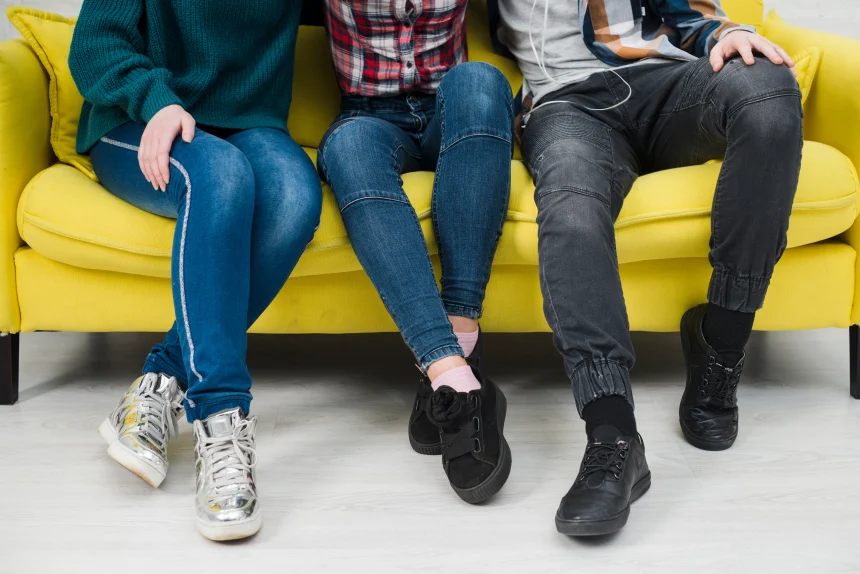
Walk into any shoe or sneaker styles and types store or check out the shoe section of any sneaker reselling website, and there is a good chance you will get overwhelmed by the sheer number of available categories. After all, it is not that difficult to confuse sneakers that are meant for running or skateboarding with casual low-top or high-top sneakers since many brands tend to blur the lines between these categories.
This guide attempts to separate and describe the common types of sneakers according to their silhouettes, purposes, cultural categories, materials, and construction methods. Understanding the subtle differences will enable the shopper to make informed and deliberate choices when buying or wearing sneakers.
Sneakers by Silhouette
Low-Top Sneakers
As the name implies, low-top sneakers have a lower construction that typically reaches just below the ankles. They are the most numerous and the most common type of sneakers that usually goes with most streetwear and athletic outfits, being comfortable and highly versatile.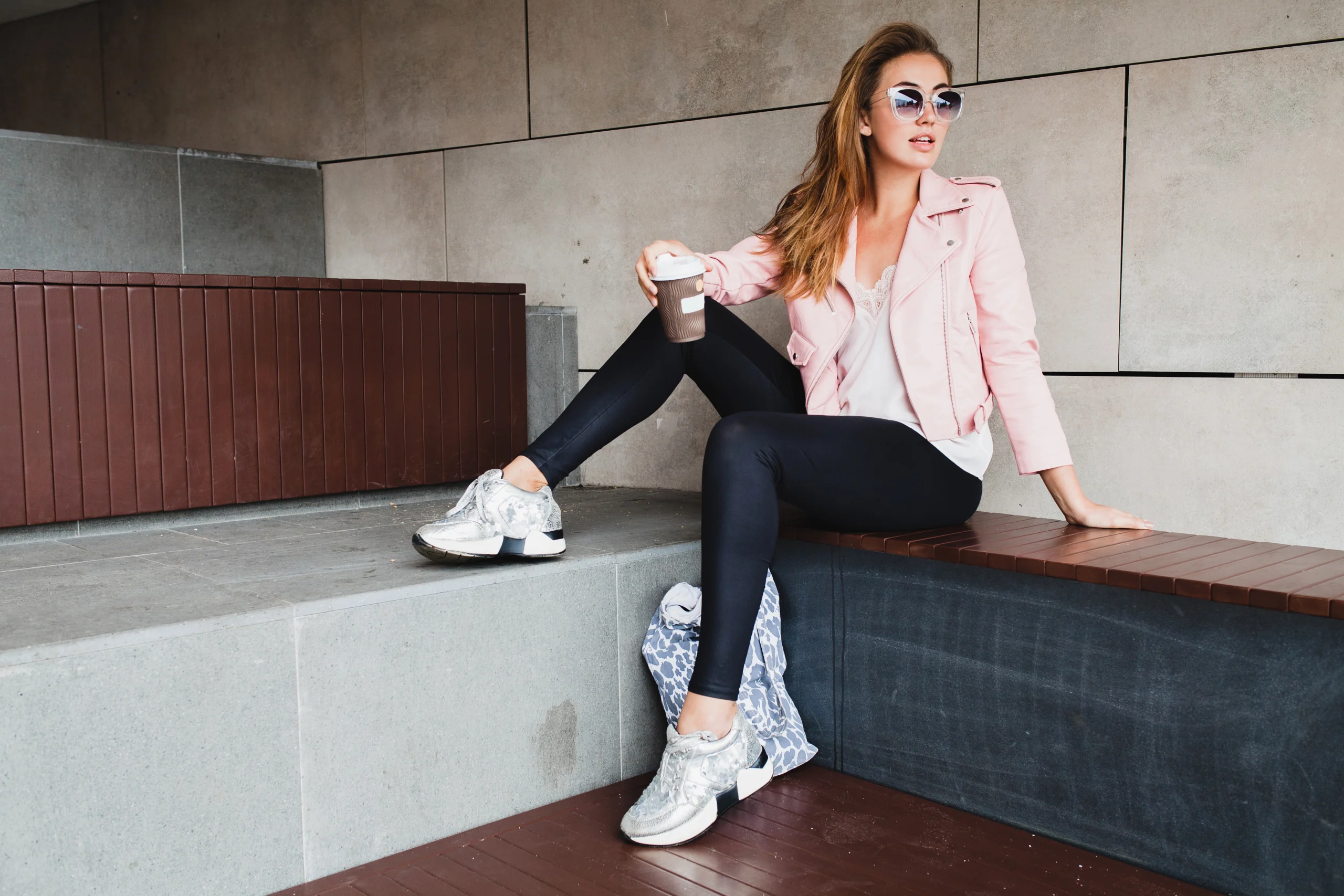
High-Top Sneakers
High-top sneakers reach the ankles with the addition of extra padding that is intended for the better support of the shins during activities such as basketball. In other words, they were invented for basketball but have since been embraced in streetwear culture.
Mid-Top Sneakers
Similar to the previous two, mid-top sneakers reach approximately the ankles and provide a slightly better level of shin coverage than low-top sneakers but are usually lower than high-top shoes.
Sneakers by Original Purpose
Running Sneakers
Designed specifically for forward movements such as running, these shoes usually have a better cushioning mechanism, are lighter, and provide a better degree of flexibility at the toe box. Running sneakers are also divided into neutral, stability, and motion control shoes and are further separated into trail and road categories.
Basketball Sneakers
While basketball sneakers usually provide a decent amount of support and padding, their main purpose is to cushion jumps, landings, and other basketball-specific movements. Similar to running sneakers, basketball shoes are divided into shoes with high-tops, mid-tops, and low-tops, with the former providing a better degree of support and stability.
Skate Sneakers
Designed specifically for skateboarding, these shoes have flat soles, reinforced toe boxes, and are made out of a special, durable, and flexible rubber on the soles. Skate shoes also provide a better grip on the skateboard deck than the thick soles of running or basketball shoes.
Cross-Training Sneakers
These are the most multi-purpose sneakers because they are designed specifically for cross-training (a combination of weightlifting, sprinting, and agility drills).
As such, they usually have a more flat and stable structure than running sneakers designed for forward movements but usually lack the lateral support and cushioning of running sneakers. As with most other sneakers, cross-training sneakers can be further separated into low-top, mid-top, and high-top variations.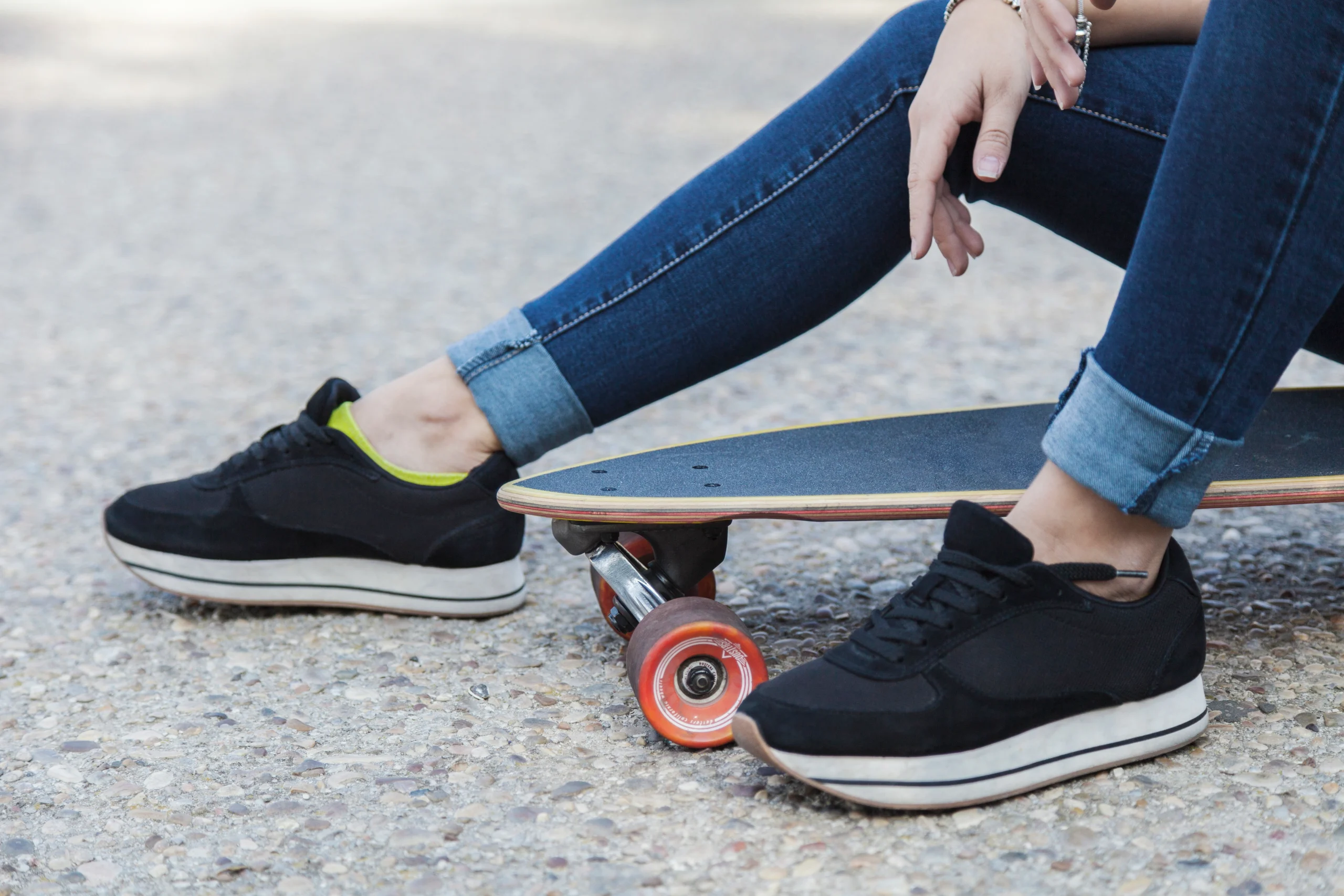
Tennis Sneakers
As the name implies, these sneakers are designed for playing tennis, which usually involves a lot of lateral movements. As such, tennis sneakers usually have reinforced toe boxes and better outsole structures that provide more grip.
Walking Sneakers
These are the most flexible and lightweight sneakers designed specifically for day-long activities and have slightly lesser degrees of cushioning than running sneakers.
Sneakers by Cultural Categories
Retro / Lifestyle Sneakers
This category is perhaps the biggest and the most numerous category of all because it primarily encompasses basketball and running sneakers but also includes tennis, walking, and cross-training shoes. However, unlike the sneakers designed explicitly for particular sports, the retro/lifestyle sneakers were intended for general use and were mostly consumed by the streetwear/surf-skate cultures.
“Dad Shoes” / Chunky Sneakers
“Dad shoes” or “chunky sneakers” is a concept originating from high fashion in the late 2010s that involves the exaggerated midsole volume in a thick and layered manner. The construction style was largely inspired by the high-top basketball and running shoes of the 1990s.
Minimalist Barefoot Sneakers
The minimalist category is the complete opposite of “dad shoes” in inspiration, construction, and design. The barefoot sneakers usually have a small amount of volume, little to no cushioning, and are flexible on the toes.
Slip-On Sneakers
Slip-on sneakers usually have no laces and are secured by elastic tongue openings or a special stretchier upper that provides the necessary volume and comfort. Sneakers in this category can be as simple as canvas slip-ons with elastic tongues or high-end performance shoes with stretchier knit uppers.
Sneaker Construction
Cupsole Construction
Cupsole sneakers are constructed in such a way that the upper is glued to the rubber cup at the bottom of the shoe. This construction technique is mostly used in basketball shoes, running sneakers, and lifestyle shoes. While being durable and stable, cupsole sneakers are usually stiffer than the vulcanized counterparts.
Vulcanized Construction
Vulcanized sneakers are produced by bonding canvas and leather upper to the rubber sole. They are usually lighter and more flexible than the cupsole-construction sneakers, which makes them very popular among skate shoe lovers.
Sneaker Materials
Canvas
Usually light, durable, breathable, and comfortable, canvas uppers are often found in low-top and slip-on sneakers. At the same time, canvas uppers are weaker and less water-resistant than leather or synthetic uppers. As such canvas sneakers are usually suitable for warm and dry weather and are best avoided in wet and cold conditions.
Leather
Leather uppers are generally more durable and stable than canvas or mesh uppers and are usually more involved in retro sneakers or basketball shoes. However, they can be heavier and harder to maintain than other materials.
Suede
Suede is a type of leather made from the inner lining of animal skin and has a distinctive soft and fluffy appearance. However, suede sneakers are usually weak and delicate and often stain easily. As such, suede sneakers are usually avoided in wet and rainy conditions. Nevertheless, they often appear in retro sneakers and are often associated with the retro fashion culture.
Mesh
Mesh sneakers are usually the most breathable and light, and they dominate in athletic and performance-oriented sneakers, such as running or cross-training shoes. However, they are less durable than sneakers made from leather or synthetic materials.
Knit Uppers
Knit-fabric sneakers are becoming increasingly popular among sneaker lovers. Usually associated with high-performance shoes (running, cross-training, minimal running sneakers), but they can also be seen in lifestyle and slip-on categories. These sneakers usually offer breathability, flexibility, and comfort with a sock-like fit.
How to Choose the Right Sneaker?
The first and most important consideration when choosing the right sneaker is to identify what kind of activity will it be used for. In other words, a sneaker designed specifically for running will not be as comfortable for skateboarding as a sneaker made out explicitly for that purpose.
In addition to being aware of the activity, it is essential to consider the silhouette. For example, high-top sneakers offer a better degree of ankle coverage, while low-top sneakers allow for a more extensive range of motion and usually go better with the streetwear culture.
The construction of the sneaker is also very important, as cupsole sneakers are generally more rigid than vulcanized alternatives. Finally, the material selection is also vital, as the material usually determines the sneaker’s properties. For instance, mesh sneakers are more breathable than leather ones, while canvas sneakers are generally weaker, lighter, and not as water-resistant.
It is also essential to keep in mind that retro lifestyle sneakers are usually not intended to be used for the purpose they were originally intended for. For example, just because the sneaker may seem like a basketball sneaker does not mean it is designed to endure the impacts of that particular sport.
Common Mistakes to Avoid
Avoid using running or basketball sneakers for prolonged standing or walking as they are generally not comfortable and can damage the foot over time. Similarly, trying to use skate sneakers for running is not advisable as they will wear out significantly faster.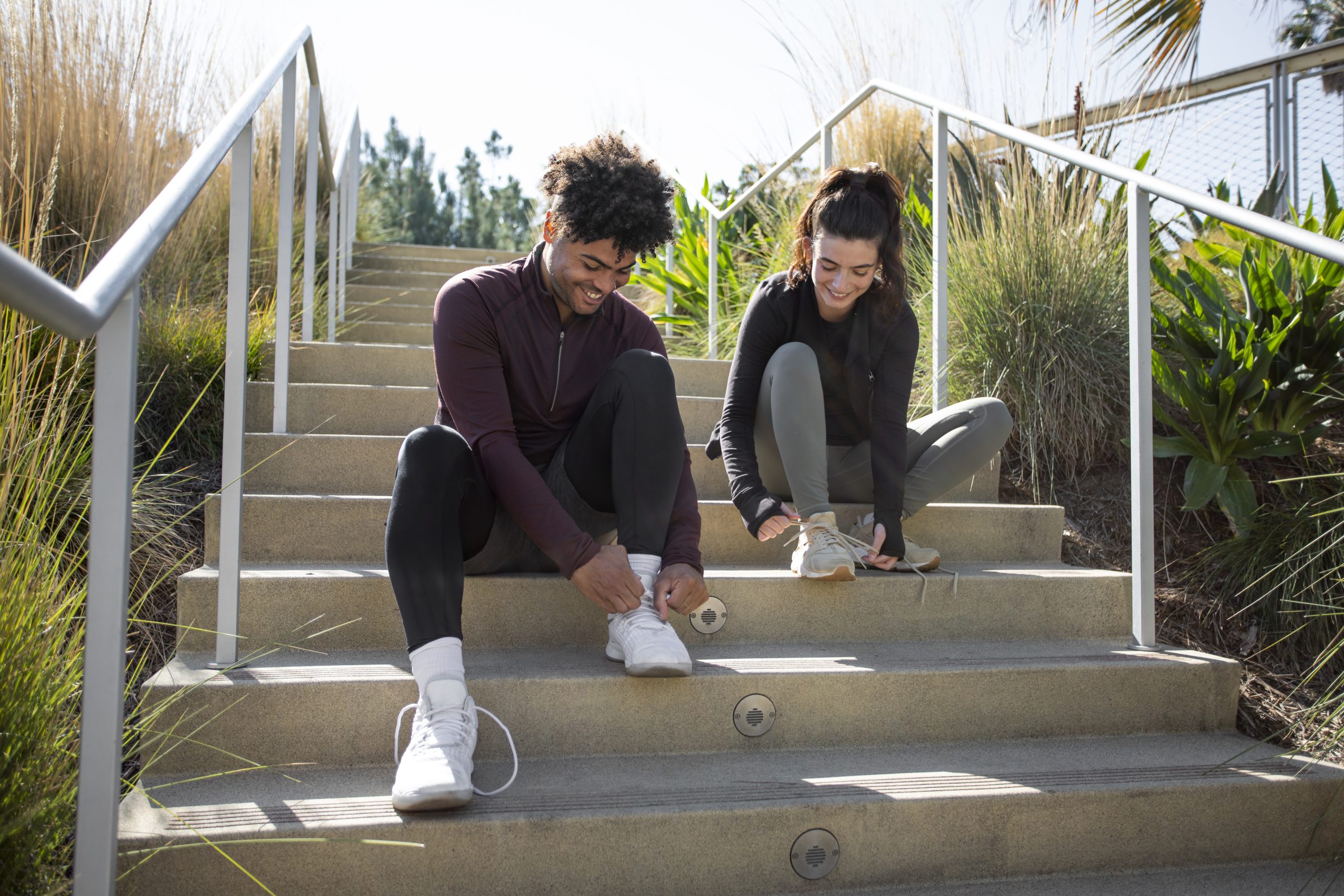
The same goes for trying to use minimalist sneakers right out of the box as they generally require a certain degree of break-in before they start feeling comfortable. Finally, avoid buying sneakers based solely on the label price as a higher price does not necessarily mean a better sneaker.
Sneakers by Foot Fastening
Lace-Up Sneakers
Lace-up sneakers are the most common type of fastening, and they basically secure the foot by lacing the shoelaces at the tongue area of the upper. Most athletic sneakers are mostly lace-up, as they offer the best degree of comfort and security.
Velcro, or Hook and Loop Fastening
Sneakers with a velcro fastening are mostly targeted toward the younger audience as they offer a good degree of comfort and ease of use but lack a significant degree of security compared to lace-up sneakers.
Toggles and Bungee Laces
Bungee laces work on the same principle as lace-up sneakers but use a special toggle to achieve a much-needed degree of comfort and ease of use. Bungee laces are usually found in running and hiking sneakers as they offer the best degree of comfort without sacrificing much in terms of security.
BOA Dial System
A BOA dial system is a type of a more technical shoe fastening that uses a special rotating dial to achieve a custom degree of security and comfort. The system works by using a thin steel cable that is wrapped by a special rotating dial that is usually located at the tongue area of the sneaker. The BOA dial system is often found in technical and performance-oriented sneakers such as cycling, cross-training, and hiking sneakers.
Sneakers by Gender & Fit Category
Most sneaker brands usually make their popular sneakers in women’s, men’s, and unisex sizes. While the three categories may seem similar at first, they are usually tailored to accommodate the specific needs of each category. For example, women’s sneakers usually have a lower volume compared to men’s sneakers.
Unisex sneakers, on the other hand, usually have a slightly different fit altogether and are usually made in the same last (a mold used to shape a sneaker) as men’s sneakers but with unisex sizes, typically corresponding to men’s sizes. Therefore, it is essential to be aware of the fit of a sneaker and match it to the foot size accordingly.
Sneaker Care and Longevity
Running Sneakers
Running sneakers generally have better and more voluminous midsoles constructed in such a way that they distribute the body weight evenly across the foot. Therefore, the midsole material of a running sneaker is essential to its overall comfort, and it does not matter much if it looks worn out or not.
However, it is generally advised not to use a running sneaker for more than 300 – 500 miles (approximately 500 – 800 km), as the inner structure of the midsole starts to break down, thus reducing the overall comfort and support the sneaker was designed to provide.
Canvas Sneakers
Since canvas material is weaker and less water-resistant than leather or synthetic materials, canvas sneakers are more prone to staining and losing their structural integrity. As such, it is generally advised to treat canvas sneakers with a special fabric protector spray before wearing them for the first time.
Leather Sneakers
Leather sneakers generally require more maintenance than sneakers made from other materials. As such, it is advised to treat leather sneakers with a leather conditioner every few months to make sure that the material does not dry out and crack in dry weather.
Suede Sneakers
Suede sneakers require the most maintenance out of all other sneaker types since suede material is generally weak and delicate. The best way to maintain suede sneakers is by using a suede brush and a special suede protector spray to maintain the softness and the overall appearance of the material.
Skate Sneakers
Skate sneakers have the shortest lifespan out of all other sneaker types because they are generally subjected to the most stress. In particular, the ollie area (the leading edge of a skate sneaker) is the most sensitive part of the sneaker, and it wears out rather quickly.
As such, it is advised to keep the ollie area clean and free from debris as much as possible to prolong the lifespan of a skate sneaker. In addition, skate sneakers that have reinforced (double stitched) ollie area and toe boxes usually lasts significantly longer than sneakers that do not have such reinforcement.
The Evolution of Sneaker Trends
It is rather common to observe that sneaker trends tend to revolve around the same ideas and concepts every twenty to thirty years. In particular, the 2010s “dad sneakers” and “chunky sneakers” largely resemble the running sneakers of the 1990s, while minimal sneaker trends largely coincide with the sneaker trends of the 1980s. As such, it is rather common to observe the evolution of sneaker trends rather than a sudden emergence of entirely new ideas.
Frequently Asked Questions
What is the difference between sneakers and trainers?
There is no difference between sneakers and trainers as trainers are just a British equivalent of the word sneakers.
Can I use running sneakers for the gym?
Yes, running sneakers can be used for the cardio part of the workout, but they are usually not compatible with weightlifting, agility drills, or plyometric exercises because of the lack of lateral support.
Do high-top sneakers offer a better degree of ankle support than low-top sneakers?
High-top sneakers usually offer a better degree of ankle support because of the additional material that covers the shins and ankles, but there is no significant scientific evidence that suggests that they prevent ankle injuries more efficiently than low-top sneakers. As such, the decision to choose between low-top, mid-top, or high-top sneakers is rather subjective and is based on individual preferences.
What makes skate sneakers different from regular sneakers?
Skate sneakers have a more durable and flat sole made from a special, flexible rubber that is better suited for the specific requirements of the sport. In addition to that, skate sneakers have additional reinforcement around the ollie area (a leading edge of the sneaker needed for tricks), while regular sneakers usually have a thick cupsole construction that prevents board grip.
How can I tell a lifestyle sneaker from a performance sneaker?
It is rather easy to guess the category a particular sneaker belongs to by using the descriptions provided in this article. In addition, it is always important to remember that the purpose of the sneaker dictates its general appearance, but the appearance can be misleading when the purpose is dictated by the appearance.
For example, lifestyle versions of running, basketball, or cross-training sneakers can greatly resemble performance sneakers but are generally lighter and slightly less durable than their athletic counterparts.
How often should I replace my sneakers?
It depends on the type of sneaker, but, as a rule of thumb, sneakers that are used for activities other than prolonged walking (running sneakers, for example) should be replaced every 300 – 500 miles (500 – 800 km). As for other types of sneakers, it really depends on the conditions of use, but they should generally be replaced no later than every three years.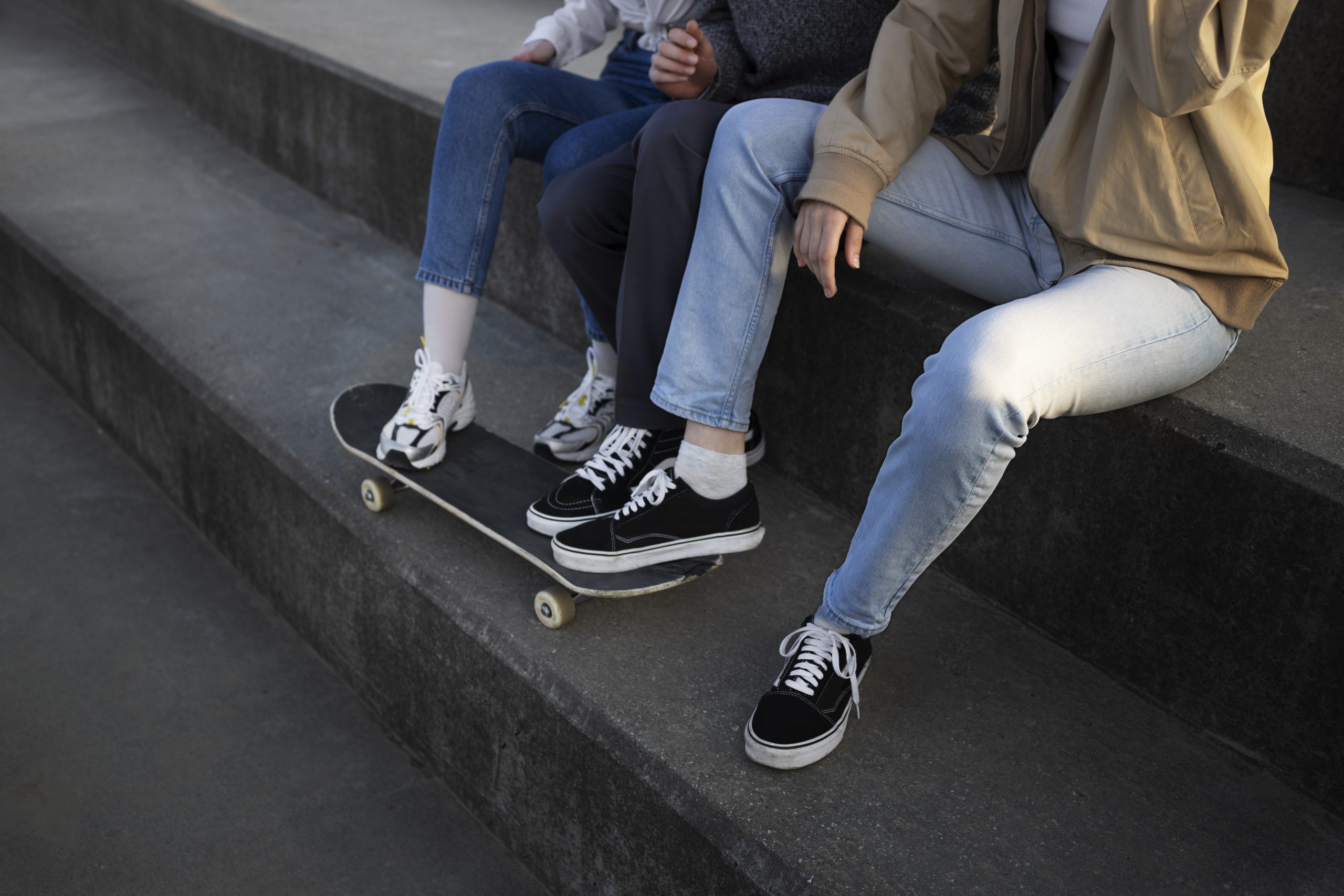
What is the difference between women’s and unisex sneakers?
Unisex sneakers generally have the same fit as men’s sneakers but are available in unisex sizes (usually corresponding to men’s sizes). Women’s sneakers, on the other hand, usually have a lower volume and are produced on a narrower last than men’s and unisex sneakers.
Sneaker Outsole Patterns and Their Specifics
The outsole pattern of a sneaker is usually chosen depending on the surface it is predominantly used on.
Herringbone
This pattern generally resembles the letter V and is commonly used in basketball and tennis sneakers. This pattern provides excellent grip on the surface.
Waffle
Waffle pattern is mostly used in running sneakers because it is relatively light yet provides a decent amount of surface grip.
Lug
Lug pattern is characterized by having very large surface area, and it is mostly used in hiking and trail running sneakers.
Flat
Flat soles are mostly used in skate sneakers to provide the necessary grip on the skateboard.
Sneaker Sizes and Their Specifics
Each sneaker brand has its own sneaker sizing, and some brands may even have different sizes for the same sneaker type. For example, one running sneaker may have a standard size, while a basketball sneaker from the same brand may have a more narrow toe box in the same size.
Skate sneakers, on the other hand, have a more voluminous toe box in most cases in order to provide greater comfort. As such, it is necessary to take a look at the size chart for the sneaker of particular interest before purchasing a pair of sneakers. Minimalist and barefoot sneakers, on the other hand, usually fit true to size but have a larger volume in the toe box compared to standard sizes.
Sustainability Trends in Sneaker Manufacturing
Many sneaker companies offer eco-friendly alternatives to conventional sneakers. Some materials that can be found in sustainable sneakers include ocean plastic, recycled polyester, and plant-based foam as an alternative to conventional petroleum-based foam used in midsoles. These eco-friendly trends are rather vast and spread across different sneaker categories mentioned in this article.
The most significant difference between conventional and eco-friendly sneakers is that specific materials are substituted to reduce the impact of sneakers on the environment. Even within the described concept of eco-friendly sneakers, it is essential to do a bit of research before purchasing a pair of sneakers.
In particular, looking for third-party certifications and material specifics may be more reliable than marketing buzzwords, as not all materials are actually sustainable.