





Walk into any office, school, library, or print shop, and chances are you will spot one nearby: the ubiquitous copier machine. It is difficult to think of a setting where copier machines are not commonplace, and yet few people put any real thought into what differentiates these devices from one another or how they function.
While copier technology has largely been replaced by digital faxes and scans in the modern era, there are still some benefits to knowing how to choose the right copier for your personal or professional needs. This guide will explain what a copier machine is, how it works, the different types of copiers currently in use, and what factors should be taken into account when purchasing or leasing one.
Defining a Copier Machine
In short, a copier machine is a device used to create copies of documents and images. It is a tool which allows one to rapidly reproduce an exact replica of a given page without having to retype or re-print it from a digital file every time. The basic principles of analog copiers are surprisingly simple, and form the basis of most multifunction printers sold in offices today. However, it is important to remember just how far the technology has come in the last century or so.
A Brief History of Copier Machines
While most people who have worked in an office know roughly what a copier machine is, few people are likely to have any real idea of how such a device actually manages to produce such clean copies of virtually any document one care to submit. This guide aims to detail exactly that: the inner workings of modern copier machines at a very basic level, and their differences from much older analog designs.
How Copiers Work: A Basic Overview
The majority of modern copiers use a technology called xerography, otherwise known as electrostatic photocopying, to produce images of documents with incredible precision and clarity.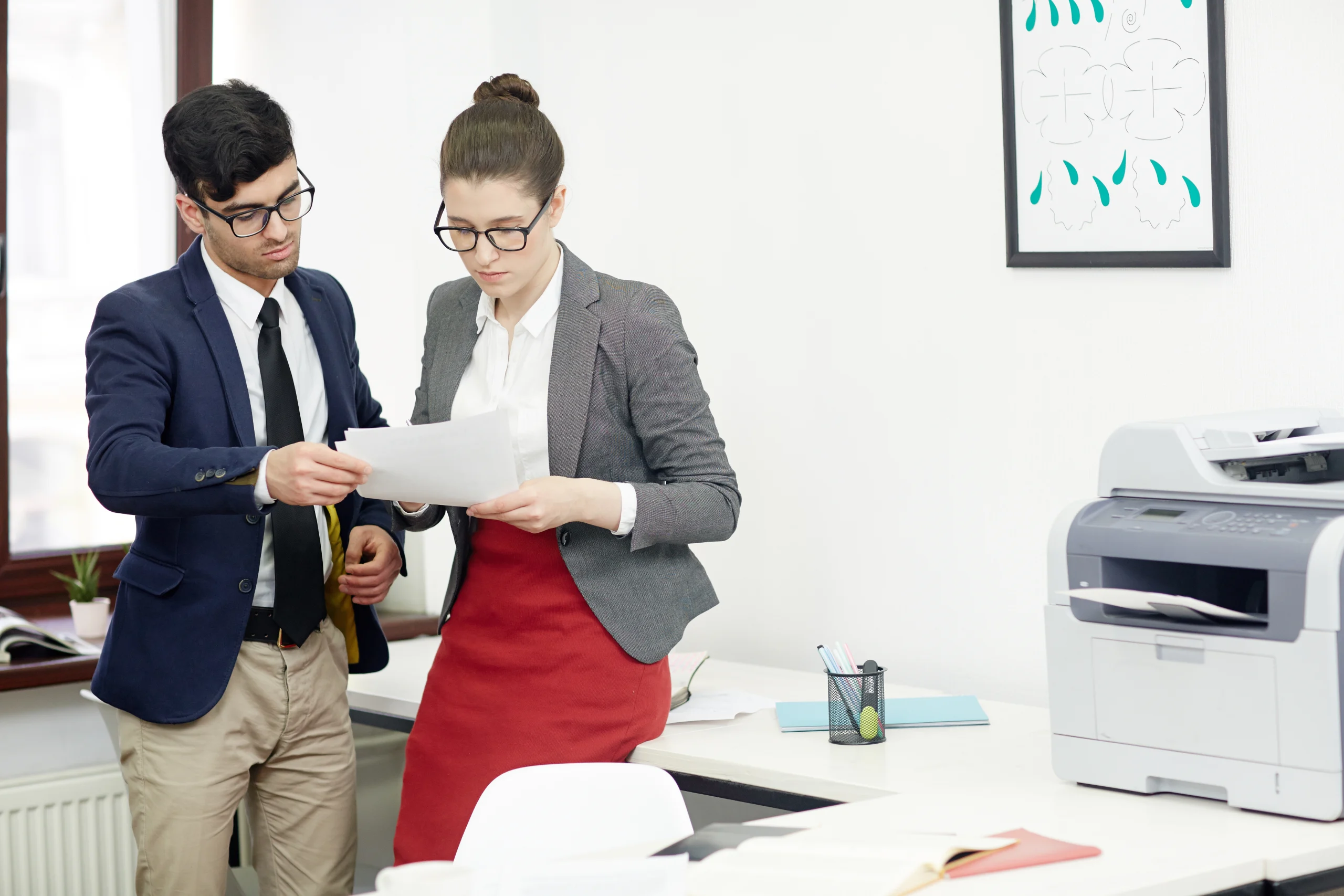
The following list describes some of the most basic steps involved in this process:
- Charging: The drum of the copier machine is charged with static electricity. 2. Exposing: The image from the original document is transferred onto the drum using light. 3. Developing: Toner powder is applied to the charged drum, adhering to its image-bearing properties. 4. Transferring: The toner image is transferred from the drum onto a blank sheet of paper. 5. Fusing: The toner image is permanently bonded to the paper with heat and pressure.
By following these basic steps, copiers are able to produce high-quality images in a matter of seconds: a far cry from the laborious process required to make copies using older analog machines.
The Evolution from Analog to Digital Copiers
Copiers are sometimes called analog machines for good reason: prior to the introduction of digital photocopying, copiers used to work more or less like projectors, with light being shone directly from the original document onto a charged drum. In this way, copiers used to be even more labor-intensive than modern inkjet printers.
Modern copiers, meanwhile, usually require only a few simple keystrokes to produce a single document. Additionally, digital copiers allow one to perform various other functions besides mere photocopying: scanning and faxing, for instance, are usually integrated directly into a copier machine’s digital software. The increased convenience of digital copiers has led to them rapidly replacing analog machines in offices around the world.
Other Features of Modern Copiers
It is no secret that copiers have come a long way from their analog origins. However, there are some important considerations to be made when choosing between the many different copier models currently on the market. The following section details some of the most important aspects of copier machines, and how they differentiate from one another.
The Many Different Types of Copier Machines
There are several different categories of copier machines: while many people are familiar with basic inkjet printers and multifunction copiers, there are numerous other subcategories which are not always known or understood by the general public. The following list details the most common types of copiers currently in use.
Personal and Home Copiers
These are usually small, single-function devices best suited for making only occasional copies. Home copiers are usually multifunction devices which integrate a basic printer and/or scanner into one small machine.
Office Copiers
Office copiers are usually larger, sturdier, and more complex than their home counterparts, and are often used on a daily basis by multiple people. Office machines vary in complexity and price, but typically offer a number of different convenient features such as automatic feeders, sorters, staplers, and duplex printing.
Multi-function Printers
This category of machines usually combines the functions of a copier, printer, scanner, and fax machine into a single office appliance. In short, these are the most common type of copiers currently found in modern offices.
High-volume Production Copiers
These are specialized machines usually found in print shops and large corporations, capable of producing thousands of high-quality copies every day. These machines are extremely complex and multifunctional, and usually come at a significantly higher price than regular copiers.
Digital vs. Analog Copiers
As was briefly detailed above, older analog copiers have since largely been replaced by much more convenient digital machines. Most people have never even encountered an analog copier, and yet understanding what differentiates them from their digital successors can be helpful in ascertaining the many different functions modern copiers are capable of performing.
The Most Common Specifications When Considering a Purchase
When considering a purchase, there are several features of a copier machine which most people will take into account. The following list highlights what some of these most important aspects of a copier are when choosing a machine for your home or office.
Print/Copy Speed
The rate at which a copier machine is able to print or copy, usually measured in pages per minute, is obviously crucial in determining just how much work a given machine is actually capable of handling.
Monthly Duty Cycle
The expected number of pages a given machine is rated to produce in a single month is an important consideration in choosing a machine based on one’s needs. It is therefore always a good idea to choose a copier with a monthly duty cycle slightly higher than one’s own expected output, in order for the machine to have a longer working lifespan.
Color vs. Black and White
Color copiers are much more expensive to operate than their black and white counterparts, both in terms of purchase price and in terms of additional expenditures on toner or other printing materials. Unless one specifically needs to make copies in color, there is usually little reason to invest in such a machine.
Internet Connectivity
Most office copiers nowadays are capable of connecting to the Internet, which makes them an integral part of most modern offices. Copiers with Internet access typically open up a whole new world of additional features and functions, including scanning to email or cloud storage and printing from mobile devices.
Automatic Document Feeder (ADF)
The number of sheets a copier is capable of feeding into the machine at a time is an important consideration for anyone who regularly needs to make copies of multi-page documents. Copiers with higher ADF capacities are usually much more convenient to use in this regard, as they allow one to rapidly make multiple copies without having to repeatedly resubmit single-page documents.
Finishing Options
Some copiers come with a number of additional finishing options which dramatically increase the convenience of using a given machine. Options such as automatic stapling, punching, sorting, and duplex printing can be incredibly useful in certain professional settings.