





With all the noise about homegrown wellness ideas culture these days, it’s easy to feel pressured to purchase all sorts of expensive products and participate in elaborate routines. However, there are many effective alternative traditions that people have developed for themselves without spending a fortune.
The term “homegrown,” in this case, refers to two things first, some of these traditions are literally grown, as they involve plants. Second, those activities and rituals that don’t require a steep learning curve can be comfortably integrated into one’s existing routine.
Below are seven ideas and suggestions that are simple enough to be attempted by virtually anyone without a significant investment of time and money.
Grow a Kitchen Herb Garden
There is something deeply satisfying about growing one’s own food, even on a small scale. Aside from obvious benefits such as having access to fresh produce, a small kitchen garden can serve as both a relaxing hobby and a source of inspiration for home-cooked meals. Growing herbs is a great beginner-friendly option that requires minimal space, equipment, and maintenance.
Growing your own herbs can inspire healthier eating. Having fresh produce at one’s fingertips encourages one to use it more often and enhances the flavor of food, making processed foods seem less appealing. In addition, tending to one’s garden can be a relaxing and satisfying activity. The repetitive chores involved in plant care can help one unwind and de-stress.
Taking care of a small herb garden can be a gateway into home vegetable growing. Many people who get into growing food start with herbs and then move on to vegetables, so having some experience with plant care can make further expansion easier. Even on a small scale, growing food is a labor-intensive activity a great opportunity for light exercise that becomes easier with time.
Finally, growing herbs is an accessible beginner-friendly activity that requires minimal equipment. A sunny windowsill, a few pots with drainage holes, some potting soil, and a handful of herb seedlings or seeds are all one needs to get started. Herbs such as basil, mint, rosemary, and thyme are all relatively easy to grow at home for beginners.
Develop a Consistent Sleep Ritual
Most advice on improving one’s sleep habits focuses on the nightly routine, but the better approach is to think of it as a cycle that has a beginning, middle, and end. Instead of focusing on when to go to sleep, one should develop a consistent set of calming rituals to help one’s body switch from the active mode to the resting and repairing mode.
Develop a consistent nightly sequence. Instead of trying to fall asleep by a certain time, focus on developing a consistent nightly sequence that one’s body can relax to. In the hour or two before going to sleep, engage in a few relaxing activities in the same order every night. That could include dimming the lights, avoiding screens, taking a warm shower, doing some light stretching, reading, or journaling.
Make sure to minimize exposure to bright lights and screens. Exposure to bright light, especially from screens, can suppress melatonin production and disrupt one’s sleep-wake cycle. Therefore, it is advisable to dim the lights and avoid using any screens in the hour before going to sleep. Turning off all the lights in the room thirty minutes before going to bed helps signal the brain that it is time to sleep.
Try to wake up at the same time every day. Even if one goes to sleep at different times on different days, one should try to wake up at the same time. It is understandable that one may want to sleep in on the weekends, but drastic changes to one’s sleep schedule can interfere with one’s ability to fall asleep and wake up feeling rested.
Make sure the bedroom is used for sleep only. If possible, one should dedicate the bedroom to sleep only and avoid engaging in stimulating activities there. Establishing a connection between the bedroom and sleep can help one unwind as soon as they enter the room.
Implement Micro-Movement Breaks Throughout the Day
Many people struggle to find the time and energy to engage in regular and strenuous workouts. However, most fitness experts agree that a series of light exercises throughout the day can be more beneficial than one prolonged daily session. Movement breaks can be as simple as stretching or taking a walk while engaging in another activity.
Take regular breaks from sitting. Even light physical activity can be beneficial for one’s health and wellbeing, so instead of trying to squeeze in a one-hour gym session, consider taking short walks or doing light exercises during one’s work breaks.
Find opportunities to be active. Instead of driving whenever possible, consider walking or biking as an alternative mode of transportation. Take the stairs instead of the elevator, and park further away than usual to make one do more walking. If one drives regularly, one can use the time spent in traffic to stretch one’s legs.
Incorporate regular movement breaks into one’s daily routine. Most people spend too much time sitting or engaging in other sedentary activities, so movement breaks can be incorporated into one’s daily routine. One can do light calisthenics during one’s regular lunch break, stretch while watching TV, or walk around the block during one’s phone calls.
Make sure movement breaks relieve stress rather than cause it. One should use movement breaks to relieve stress and help one’s body return to an active state after spending too long in a resting or sleeping mode. Micro-breaks should be brief – one or two minutes in between more serious workouts.
Develop a Simple Gratitude or Reflection Practice
Journaling has entered the cultural consciousness as a simple yet effective way of monitoring and improving one’s mental wellbeing, but most such practices require little to no elaboration. Keeping a journal can be an acquired skill, so most beginners’ guides on the topic advise starting small. A gratitude practice or a simple daily reflection can be as simple as writing a few sentences about the best and worst parts of one’s day.
Keep it short and simple. Writing more than a few sentences about one’s day can be too time-consuming for most people to do regularly. Keeping a journal can be an acquired skill, so one should not feel obligated to include too many details when starting out. Simply writing down a few things that one is grateful for or recording the events of the day as they happened can be sufficient to serve as a daily ritual.
Write specific things that one is grateful for. Instead of writing “I’m grateful for good health,” write “I’m grateful for the conversation with one’s friend.” This helps one reflect on specific things that make one happy or grateful instead of listing generic traits that most people do not change often.
Combine it with another daily habit. Combining one’s reflection or gratitude practice with another daily habit significantly increases the likelihood of sticking to it. For example, one’s morning coffee, evening toothbrushing ritual, or a regular mindfulness practice can all serve as effective daily anchors.
Consider using a physical notebook. Having a physical notebook and a pen helps one develop a habit of writing without being distracted by technology. Journaling apps are useful, but they can also provide unwanted notifications and updates when one does not need them most.
Prepare Simple, Healthy Meals at Home Using Similar Ingredients
Most people are generally aware of the health benefits of eating wholesome home-cooked meals more often, but many do not know how to do it affordably and without spending too much time on meal-planning and preparation. The key is to minimize the number of different meals and ingredients while maximizing nutrition and flavor.
Build a simple repertoire of meals. Instead of planning different meals for each day of the week, one should have a short list of one’s favorite dishes that one can rotate between. That way, one only has to learn a few simple recipes and keep a stock of ingredients needed for them.
Batch-cook ingredients as needed. Instead of preparing multiple dishes, one can batch-cook ingredients, such as rice, pasta, or roasted vegetables, and use them as a base for different meals throughout the week. Doing that reduces the total number of meals one has to prepare substantially.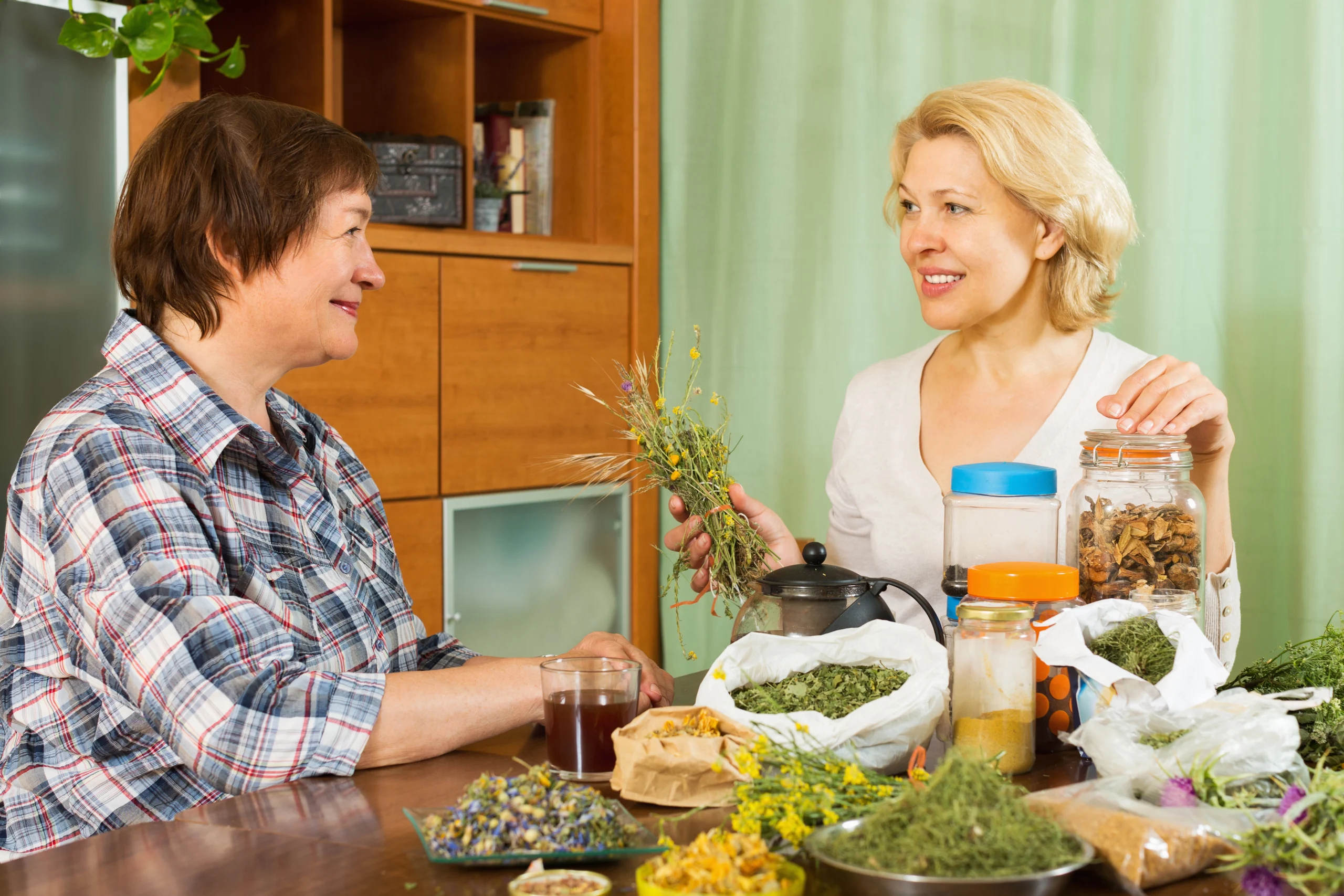
Keep one’s pantry well-stocked with ingredients. Keeping a stock of ingredients and simple pantry staples enables one to prepare simple and healthy meals without having to spend much time on meal-planning and grocery shopping.
Make sure to incorporate one’s home-grown herbs. Using one’s home-grown herbs when preparing meals can help one achieve more flavor with less salt and fat while also encouraging one to cook more often at home.
Schedule Daily Screen-Free Periods
Spending too much time on social media and other digital platforms is one of the most pressing concerns for wellness researchers today, but eliminating screen time altogether is too extreme a measure to be sustainable. Instead, one should schedule occasional screen-free periods throughout the day to give one’s eyes and mind a well-deserved break.
Make sure screen-free periods are specific and realistic. Instead of simply saying “one should spend less time on one’s phone,” one should schedule specific screen-free periods throughout the day and dedicate them to other activities. For example, one can decide to have the first thirty minutes after waking up be screen-free or implement the advice from tip 2 and make evenings a screen-free time.
Do not attempt to replace screen time with nothing. Simply removing screen time without replacing it with other activities leaves one with nothing to do, so one should schedule specific tasks or free-time periods to coincide with screen-free windows. Other potentially beneficial activities include reading, exercising, and spending more time outdoors.
Use physical barriers to one’s phone as needed. Turning one’s phone off and putting it in another room provides one’s mind with a well-deserved break from the constant influx of information. The physical barrier prevents one from immediately returning to one’s phone, giving one’s mind a much-needed break.
Dedicate a Portion of One’s Home to a Sanctuary Space
One does not need to build an elaborate meditation room to practice mindfulness – a small corner or even a comfortable chair by the window can be sufficient to serve as a space for one’s wellness rituals. Like other ideas listed above, such a space can be as minimal as a single piece of furniture and a few houseplants.
Designate specific furniture and location for one’s rituals. This suggestion is intentionally vague as one can use virtually any furniture and location that one finds comfortable. The point is to have a separate space for one’s wellness rituals so that engaging in them feels like a separate activity.
Keep it simple and make it inviting. One should strive for simplicity one’s sanctuary space does not need to be specially designed or overly extravagant. Something as simple as a comfortable chair, good lighting, and a few houseplants can greatly boost one’s wellbeing.
Dedicate one’s sanctuary homegrown wellness ideas space to specific rituals. It is essential to use one’s sanctuary space for one’s wellness activities. Ten minutes in that space are significantly more beneficial than an hour spent there rarely and reluctantly.
Make sure to use one’s sanctuary space regularly. Ten minutes of use per day are better than an hour once a week. One should not feel obligated to spend long periods in one’s sanctuary space – twenty minutes twice a day are significantly more beneficial than an hour once a week.
Let one’s sanctuary space evolve with the rest of one’s wellness routine. As one’s other wellness habits develop, one’s sanctuary space can be used more often and for different purposes. One can keep one’s journal there, spend time on social media there, or spend time in one’s home garden.
A Sample Weekly Wellness Schedule That Incorporates All Wellness Recommendations above
Once one has built one’s repertoire of wellness rituals and routines, it may help to designate specific days and times for different activities. For example, morning routines, such as the one described in tip 2, can be combined with other morning rituals, such as tending to one’s herb garden (tip 1) or spending time in one’s sanctuary space (tip 7). That way, one can use one’s morning time more efficiently without sacrificing any much-needed rest and relaxation.
Micro-breaks (tip 3) and designated screen-free periods (tip 6) can be scheduled during the day in between one’s daily tasks. As for evening routines, one can incorporate one’s nighttime sleep ritual (tip 2), preparing a home-cooked meal (tip 5), and a short reflection practice .
All of those activities can be comfortably squeezed into one’s evening routine before going to bed. Finally, one’s weekend mornings can be dedicated to more involved rituals, such as a longer mindfulness or reflection practice, batch-cooking ingredients for one’s weekly meals (tip 5), or spending more time in one’s sanctuary space. One can dedicate more time to one’s home garden during the weekends as well.
It is essential to remember that this schedule is only a rough guide. Those seven wellness routines can be organized differently based on one’s individual calendar and preferences.
Applying Those Wellness Suggestions to One’s Daily Life
As mentioned above, those wellness ideas can be adjusted to one’s personal preferences and circumstances. For example, people with small living spaces can still grow a few herbs in their kitchen or dedicate a small corner of a bedroom to their sanctuary space.
People who live with a partner or family members can hold daily reflection or morning rituals in the same space with them, making them a shared activity. Parents can dedicate their morning routines to their children – getting them ready for the day while incorporating some of those wellness rituals. People who travel often can adhere to most of those routines even when away from their homes.
Those Wellness Ideas Are Too Time or Energy Consuming for My Lifestyle
As mentioned above, most of those wellness ideas can be adjusted to one’s personal circumstances. If one is too busy to keep a gratitude journal, ten minutes spent in one’s sanctuary space or tending to one’s herb garden would suffice. Those who do not have the time or resources to prepare home-cooked meals more often can simply limit their fast food consumption and be mindful of their snacking habits.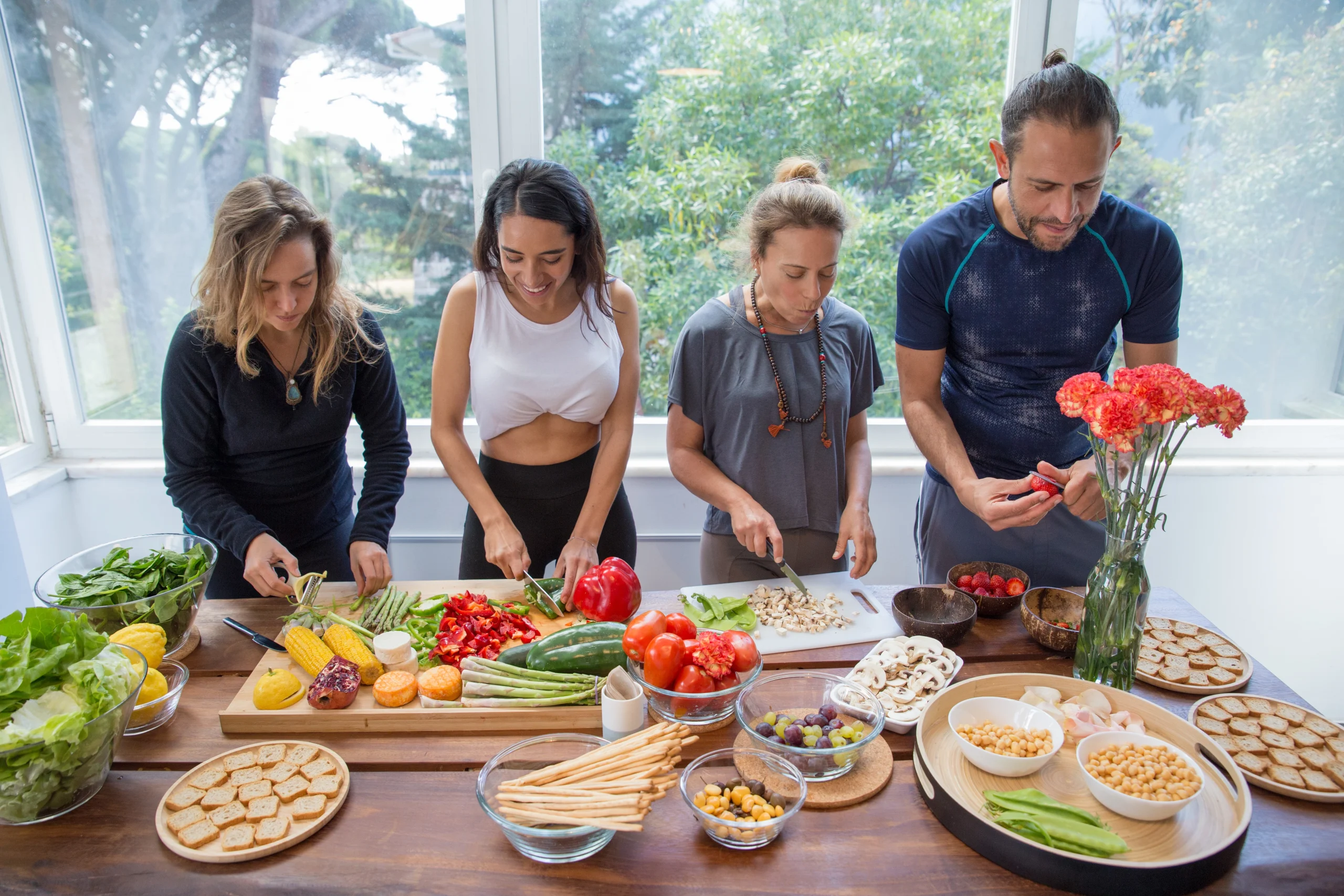
It Is Tough to Stick to Those Wellness Routines on a Daily Basis
It is completely normal for one to miss a day of journaling, stretching, or other wellness-related activities. One should treat missed days as one would treat an unscheduled but otherwise unimportant meeting – a minor inconvenience that does not disrupt one’s entire schedule.
One should be kind to oneself in those circumstances and acknowledge that wellness routines are only beneficial as long as they bring positive change to one’s life without disrupting one’s existing schedule and responsibilities. If one consistently feels like one needs to sacrifice other important activities to adhere to one’s wellness routine, it is a sign that it is not right for one’s current lifestyle.
I Find Those Wellness Suggestions Overly Complicated
Some people find journaling to be boring and ineffective, while others think of reflection practices as unnecessary self-indulgence. This is, of course, one’s personal preference. If one feels like a brief morning reflection is too taxing, one can simply observe one’s surroundings for a few minutes before engaging in other activities. One can adjust those wellness routines according to one’s personal preferences.
Those Wellness Suggestions Do Not Apply to Me at All
Those who find those wellness suggestions personally incompatible should simply disregard them. It is perfectly normal to select and adjust wellness practices based on one’s personal preferences and circumstances. However, it is crucial to remember that most wellness routines are only effective when they form a permanent part of one’s daily routine.
As mentioned above, most of those wellness ideas are low-effort and can be adjusted to one’s personal circumstances without requiring substantial time or financial investments. It is normal to disregard some of those recommendations if one finds them personally incompatible, but most people would benefit from incorporating some of those wellness ideas into their daily routines.
Why Are Those Wellness Suggestions Better Than Most Other Alternatives?
Most of those suggestions have one thing in common – they require little to no financial investment to be made and have minimal long-term maintenance requirements. That is precisely what distinguishes those wellness routines from most other alternatives, as most other routines are either prohibitively expensive or require an unreasonable amount of effort to maintain.
That is why most people find those suggestions to be more personally compatible and sustainable in the long run. It is much easier to adhere to a wellness routine one can afford and has minimal requirements for one’s lifestyle.
In addition, most of those wellness routines complement each other and can be combined together to form a more substantial daily or weekly routine. Building one’s wellness around several low-effort practices is significantly more effective and sustainable than trying to adhere to one strict but difficult to maintain routine.
Those low-effort wellness routines can also be adjusted to one’s personal preferences and circumstances to make them more sustainable.
How Can I Incorporate Those Wellness Ideas Into My Life?
It is essential to start small when attempting to incorporate those wellness ideas into one’s life. There is no need to try to adhere to all suggestions listed above at once. One should simply pick the one that seems most interesting or personally compatible and dedicate a week or so to it before considering the next one.