





Personal Style Over Fashion Trends
What matters most Men’s Style isn’t the label or trend of the moment. Runway shows define trends that shift with each new season, shaped by creators far removed from daily life. Your way of dressing speaks louder than any seasonal collection ever could. It stays steady. How you choose to appear reflects only one person you.
Style isn’t about chasing new releases. What fits your shape, daily rhythm, and who you really are matters more. Sticking to that choice builds recognition. People notice when someone seems sure of how they look. That sense of certainty? It shows before a word is spoken.
The Capsule Wardrobe: A Smarter Way to Own Less and Wear More
A small group of clothes can do more than it seems at first glance. These are not just shirts or pants picked randomly, but chosen carefully to match each other easily. One piece flows into another without effort, making mornings simpler. Less clutter means less confusion when getting dressed.
A man’s essential closet in 2026 starts with trousers think two or three pairs that actually fit, like dark jeans, a chino, maybe something more structured. Shirts come next, around five to seven pieces built to last: a white T, heather grey, an Oxford, one striped, plus a polo if needed.
Over those, just two options work best a sharp blazer alongside something relaxed, say a field jacket. Footwear stays lean too; white leather sneakers, polished loafers or Derbies, then a sturdy boot when temperatures drop.
A single item earns its spot only when it pairs easily with three others. Failing that test means it stays out.
Fit Is Everything: The Most Important Style Rule
A person might Men’s Style wear a high-end tailored jacket, yet appear careless when the sizing misses the mark. On the flip side, something budget-friendly drapes just right and suddenly stands out. What matters more than label or cost? The way fabric follows shape.
At the edge of your shoulders is where sleeves ought to stop never sagging down near the arm. A collar sits right when it leaves about two fingers’ room around the neck. Pants just touch the shoe’s upper line, hardly folding over at all. Your wrist bone marks the spot where sleeve fabric must finish.
A well-chosen tailor makes all the difference. Simple fixes like adjusting trouser waists, trimming sleeve lengths, or tightening jacket sides reshape budget pieces completely.
Style Ideas for Men 2026
Quiet confidence returns to men’s fashion after loud statements fade out. Instead of piling on extras, outfits now build around fit first. Fabric speaks louder than color in 2026. Shapes feel sharp again – think structured shoulders and clean lines. Layering matters, but only when each piece has purpose. What shows up most? Clothes that look like choices, not accidents.
Wardrobes shift toward fewer items, better made. Trends take a back seat to long-term comfort. Style feels personal once more, shaped by habit instead of hype. Details win quietly: a cuff fold, stitch pattern, or hem break. Even casual looks carry intention this time around.
Tailoring Returns with a Looser Fit
Out there again, slim shapes take back space once filled by loose cuts. This time round though, sharp clothes skip the rigid vibe. Right now, two-row buttons catch eyes more than ever – only they hang like your favorite sweater, left undone on purpose. Over a soft top, maybe with trainers below, it just sits easier. Not forced. Never polished up too much.
Start with a blazer that hugs the shoulders loosely, pair it with pants cut clean down the leg, add a simple round-neck shirt rather than anything stiff with buttons. Mix things differently each time – drape the jacket over jeans today, team the slacks with a knit top tomorrow. Change the pieces apart, never stuck as one set. Wear them split, not matched.
Texture Over Logos
Texture takes center stage in 2026, stepping away from bold logos and loud graphics seen before. Instead of clean finishes, designers favor rougher materials – mohair, yak mixes – that bring depth without trying too hard. Jackets shaped from these wools feel sharp but never stiff. Knits made with them drape loosely, suggesting comfort matters just as much.

On another note, corduroy appears more often, its ridges adding quiet detail. Boucle weaves pop up in coats and pants, offering a crinkled handfeel that catches light oddly. Heavy cotton holds structure well, turning trousers and windbreakers into pieces that age visibly. Each material speaks through touch rather than color or print. Refined now means something you notice only when close.
Start with a plain wool jacket – trade it for something with more feel under your fingers. Let that texture do the talking while everything else stays quiet. A small shift, but the coat becomes the moment.
Knitwear Extends Beyond Winter Jumpers
Out of nowhere, knitwear stepped beyond chunky holiday styles. Not just limited to sweaters anymore, knit polos now sit neatly beneath blazers instead of shirts, bringing subtle depth along with airflow. Meanwhile, thinner weaves appear on their own, paired sharply with pants or casually against jeans. Slowly, they’ve settled into wardrobes without making noise.
Start with just a couple of solid knit polos. These pieces slip neatly beneath a blazer when you need polish. Or go solo on laid-back days. One fits mornings; another handles afternoons. Layering? It shifts the vibe without effort. Alone, they breathe easier. Think steady choices, not constant swaps. Rotation keeps things moving – without clutter.
Smart Layering Is the Default
Outfits today feel put together without trying too hard. A rugby top swaps in for a dress shirt, just like that. Over it goes a lightweight fleece, worn under a jacket left wide open. Sometimes a work-style coat lands on top of an otherwise basic setup.
Matching every piece exactly? Not the point anymore. What matters is how natural it looks, like you didn’t think twice. Each layer adds something quiet, not loud. Effort shows in the choices, never in the effort itself.
Start by choosing pieces that feel distinct – maybe a soft sweater, then a crisp button-up over it, followed by something stiff like a jacket. Looseness works better here; avoid tight fits or sharp tucks. Let each piece hang just offbeat, not lined up too neatly.
Sportswear Looks More Refined
Out of nowhere, comfort meets structure again – this time without the bulk. Not quite athletic gear, not exactly fashion wear, something in between takes shape slowly. Stripes appear where they belong: along sleeves, down pant legs, subtle but sure. Silhouettes stay sharp, never slouching into yesterday’s lazy versions. No team names stamped across chests; restraint wins here.
Movement matters, even when standing still. Clothes move with you instead of announcing it loudly. The vibe? Ready for anything – but not trying too hard. Effort slips through quietly, hidden in thoughtful cuts and balanced lines. This isn’t about uniforms anymore – it’s using their rhythm differently.
Start with one athletic-style item – say, a sleek zip-up or a jacket marked by stripes. That look lands better alongside sharper, structured pieces instead of full workout gear. Try mixing it into outfits where balance matters most.
Footwear Returns to Simplicity
Footwear has shifted. Gone are the bulky designs that ruled for years. Now clean lines return, quietly. Simple derby shoes appear more often, along with oxfords once reserved for formal moments. Even boat-style canvas pairs show up in new contexts. A sharp suit might meet a lean sneaker where polished leather used to go. Outfits mix old rules with fresh pairings. Minimalism steps forward without announcement.
Start with a crisp white sneaker – simple, quiet, does its job without fuss. Pair that alongside a smooth leather oxford in neutral tones. One shifts easily into casual mornings, the other holds steady through evening plans. Each stands ready whether you’re layering up or keeping it light. Together they cover ground most shoes miss.
Color Shifts from Subtle Elegance to Bolder Hues
Outfits stay clean, yet hints of color creep in now and then. Instead of loud statements, think deep shades tucked beside beige basics. A stripe appears here, a bold jacket there – small shifts that speak quietly. Neutral backdrops remain, but they’re starting to shift under subtle pressure from texture and tone. Simplicity holds, just not quite so tightly as before.
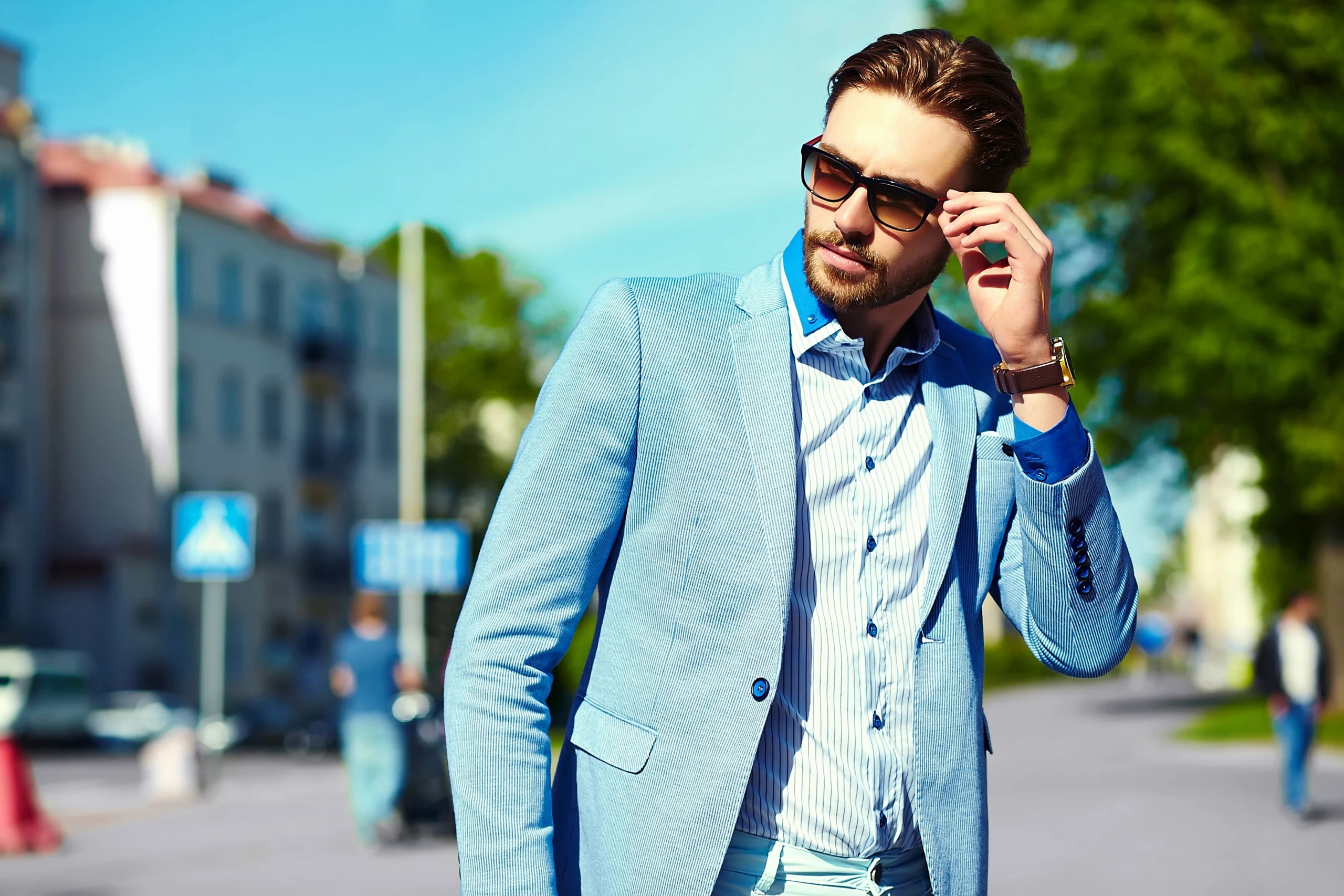
Start with quiet tones across most of your clothes. A single item – say, a scarf or jacket – can carry bold color or print. One standout part works best each time. Try beginning there when choosing what to put on.
Little Things That Matter
Watch out for subtle shifts in fashion if staying updated matters to you: check patterns show up again on jackets and pants, while narrow ties begin appearing at serious events. Slim-fitting trousers pair with tighter tailored pieces, reviving a leaner silhouette. You do not have to rebuild your entire wardrobe around these moments. Small additions can align your look with what is happening now. Changing little things works just fine.
Creating a Wardrobe for 2026 That Fits Real Life
One thing stands out in this year’s fashion moves – thoughtful choices stand front and center. Logos fade back, while fabrics speak louder through touch and depth. Stiff suits step aside, making room for clothes shaped like real life. Shoes keep quiet but carry weight in how they fit each moment. Jumping on every change isn’t required.
Pick just a piece or two – a jacket with grain, a soft collarless top, flat-footed shoes – and let those lead new paths. Mix these with what hangs in your closet now. Style next year won’t come from copying shows exactly. It grows when solid items meet looser habits. Wear things like you mean it – but without trying too hard.
Essential Wardrobe Basics Every Man Needs
Start with what lasts. Built into any strong collection of clothes sit quiet basics nothing flashy, just reliable. Often grabbed first when getting dressed because they pair easily with almost anything else around.
A crisp white Oxford shirt might just top the list. Worn loose with denim, it keeps things relaxed. Tuck it into chinos, suddenly it’s polished without trying too hard. Layer it beneath a tailored jacket, and you’re ready for more formal moments. Dark jeans that fit right handle occasions easily. Then there’s the navy blazer: a quiet hero in everyday elegance. A well-made brown leather belt, together with a black one, handles every dressy occasion. White leather sneakers, kept spotless, now fit into nearly everyone’s closet.
Color and Pattern: How to Use Them with Confidence
Start with quiet shades if you want clothes that go everywhere. Navy pairs easy with white, while grey stands calm beside black. Tan brings warmth next to olive, fitting close without fuss. Each one links to others and plays well beyond the group.
Start with small things when bringing in color try a bright pocket square, maybe a deep-hued tie, or sneakers in an unexpected shade. That way, testing bold tones feels easier than going straight for a loud shirt.
One way to handle patterns? Try pairing big checks with tiny lines. Focus on just one bold design, then let quieter pieces fill in around it. When large prints clash in size and strength, the result often feels messy without reason.
Shoes: The Detail That Elevates Everything
Nothing else shows attention to detail quite like footwear. A beat-up pair can ruin even the sharpest look. When shoes are kept clean and in good shape, they lift the whole impression.
Start with just a few good pairs instead of many. Over time, clean each leather pair carefully after wearing. To keep the form right, slip in wooden shoe forms every now and then. Between uses, let each pair rest so moisture escapes completely.
One step at a time, 2026 shapes up with just three key shoes for men. White sneakers, plain and made of smooth leather, work nearly everywhere. When things get slightly dressed up, Derbies appear, or maybe some tidy loafers. Cooler weather brings out the Chelsea boot, snug and ready.
Grooming: The Finishing Touch That Ties Everything Together
Outfits are just one piece. How you care for your hair, skin, and face shapes how people see you something plenty overlook without even realizing it.
Start with a cut that fits how your face looks, yet matches your daily routine too. Trimming every few weeks keeps things looking sharp. The right style draws attention where you want it.
Most days, skin just needs a quiet rhythm cleansing, some moisture, sunlight protection. That small loop often handles everything it takes to stay steady and smooth. A well-groomed face shows effort whether it’s totally smooth or carefully shaped.
Dressing for Different Occasions: A Practical Guide
Most people feel unsure about clothing rules until they learn them. Business settings often mean wearing neat cotton pants or fitted slacks, paired sometimes with a crisp button-down shirt; throw on a structured jacket if needed while keeping footwear tidy.
When heading out socially but still aiming polished, try deep blue jeans or relaxed chino fabric matched with either a well-cut T-shirt or collared top. Big moments call for darker tones: think solid suits like ocean blue, soft black, or light-medium gray, always alongside a pressed long-sleeve shirt, tied neatly around the neck.
A bit too dressed up? That rarely causes problems. Showing up prepared can speak volumes about your regard for the event.
Shopping Smarter: Quality Over Quantity
One trick stands out if you want to upgrade how you dress: trade low-cost, here-today-gone-tomorrow clothes for smaller numbers of well-made ones. Bargain clothing seems smart at first that changes once your closet piles up with things fraying fast.
That shirt worn just twice? It ends up costing more per use. Think about it forty dollars divided by two wears hits twenty bucks each time. Now take one priced at a hundred twenty, pulled from the closet nearly every week. Forty uses spread that out to just three dollars apiece. Better materials resist pilling, wrinkles, even spills without drama.
Take Uniqlo, for example solid build at fair prices shows best when it comes to staples such as tees, button-downs, trousers.
Developing Your Personal Style Identity
Out here, choices speak before words ever could. Moving forward changes what feels right. Style is an ongoing conversation between who you are, where you are going, and how you want to be perceived.
Start by gathering ideas wherever they show up scroll through well-dressed profiles, keep snapshots of clothes that catch your eye, yet notice which looks pull you in again and again. What keeps appearing in your saved picks hints at your true fashion path.
Start messy. Perfection isn’t the goal trying things out is. Wearing clothes, noticing what works, adjusting slowly that builds real style. Most men who dress well began with zero confidence. The fun hides in the trying, not just the result.