




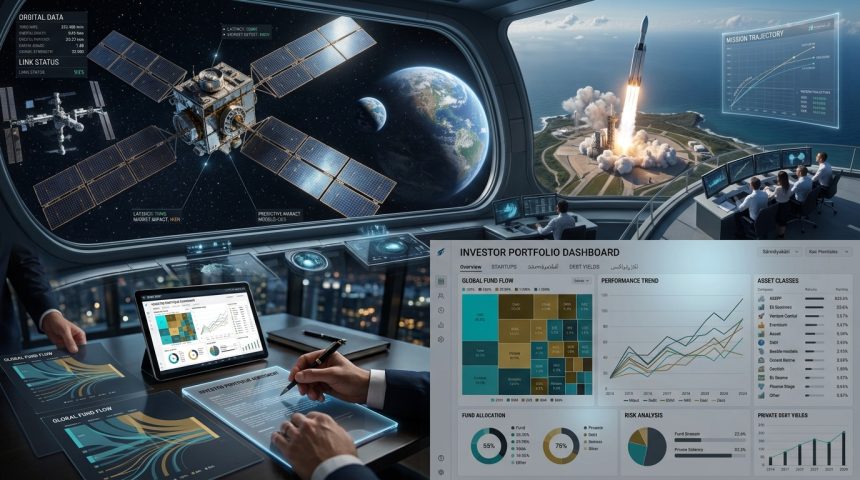
You know what’s wild? Everyone wants a piece of SpaceX Stock, but almost nobody actually knows how to get it. I’ve watched people scroll through Fidelity for twenty minutes, completely lost, just hoping they’d stumble on a “SpaceX” ticker symbol.
Spoiler alert: it doesn’t exist as a public stock. But here’s the thing that doesn’t mean you’re shut out. It just means the path to investing in SpaceX stock looks different than most people think.
I’ve spent the last couple years digging into this rabbit hole, and I’m going to walk you through exactly what works and what doesn’t. Because honestly, if you’re serious about getting exposure to Elon Musk’s rocket company, you need to know your actual options in 2026.
The Reality Check: Why SpaceX Isn’t Directly Public (Yet)
Let me start here because this trips everyone up. SpaceX remains privately held, which means you can’t just open your brokerage app and buy shares like you would with Tesla or Apple. Elon’s been running this company since 2002, and he’s deliberately kept it private. That control matters to him probably matters more than the billions he could unlock through an IPO.
The company’s done massive funding rounds. Series J pulled in $850 million at a $180 billion valuation back in 2023, and they’ve kept raising ever since. Each round brings in institutional investors, wealthy individuals, and sometimes even their own employees. But us regular people? We’re watching from the outside, and that’s been frustrating for a lot of folks.
Here’s my unpopular take: the fact that SpaceX isn’t public might actually be better for long-term investors. No quarterly earnings pressure, no day traders freaking out over satellite launch delays, no Elon tweets tanking the share price in fifteen minutes. Just genuine rocket science and business building. That said, I get it you want in, and you want to know your realistic paths forward.
How People Actually Invest in SpaceX Right Now
Okay, so what’s actually possible in 2026? Let me break down the real avenues, because there’s more than most people realize.
Secondary Markets and Private Share Platforms
This is probably your best shot if you’re not connected to SpaceX employees or venture capitalists. Platforms like Forge, EquityZen, and similar secondary marketplaces let you buy shares from existing shareholders usually employees cashing out or early investors taking profits. It’s not direct, but it works.

Here’s what I’ve noticed: these platforms charge fees (sometimes steep ones), and liquidity can be weird. You might find shares one week and nothing for months. Plus, you’re buying at whatever price the current market on these platforms sets, which often runs ahead of what SpaceX’s last funding round valued the company at. I’ve seen people pay a premium of 15-20% just because demand’s high and supply’s low.
The real kicker? You typically need to have legitimate investor credentials to join these platforms. They’re not just checking if you have $5,000 lying around they want to know your accredited investor status. Some platforms are looser than others, but don’t expect to just sign up and start trading.
Employee Stock Options (Indirectly)
Not applicable if you don’t work there, obviously. But if you do land a job at SpaceX and people do, constantly you’ll get options as part of your compensation package. Those options are valuable, especially at a company that’s printing money from government contracts and Starlink subscriptions.
Here’s the inside perspective I’ve picked up: SpaceX employees who’ve been around since the early 2010s are genuinely sitting on generational wealth right now. Someone who got options when the company was valued at $2 billion is looking at returns that’d make most hedge funds weep. For new hires, it’s still solid, but obviously not the same.
The catch is you can’t just decide to get stock options you need to actually get hired. And while SpaceX pays decently and the mission is compelling, it’s also known for absolutely brutal hours.
Starlink and SpaceX’s Revenue Impact on Other Public Stocks
Here’s something most people sleep on: you don’t have to own SpaceX directly to profit from SpaceX’s success. Starlink’s growth which is enormous right now pumps money into SpaceX and increases the company’s valuation. That money has to go somewhere, and a chunk of it flows to investors holding the parent company.
But you can own pieces of companies that contract with SpaceX. Amazon Web Services uses Starlink for AWS Ground Station. Blue Origin subcontractors benefit from the competition SpaceX creates. Honestly, thinking about indirect exposure through these relationships is underrated.
SpaceX’s Actual Business Model in 2026
SpaceX makes money three main ways right now, and understanding this is crucial to understanding whether investing even makes sense.
Starlink The Cash Cow
Starlink’s grown from an experiment to a genuine global internet provider. They’ve got millions of subscribers paying $120/month (or more for premium tiers). You do the math that’s hundreds of millions in recurring monthly revenue, and it’s growing.
What’s wild is that Starlink was never supposed to be the moneymaker. It was supposed to fund rocket development. But Elon figured out that having a global satellite network you own is… actually incredibly valuable. Countries want it, remote areas demand it, and the military’s interested too.
I’ve talked to people with Starlink connections, and the usage data is interesting. Subscriber churn is low (people stick around once they get it), and average revenue per user keeps creeping up. By 2026, Starlink’s likely generating more annual revenue than SpaceX’s launch business, which says something about where the smart money thinks this is heading.
Government Contracts (NASA, Military, NSC)
SpaceX’s government work is where the predictable money lives. They’ve got contracts with NASA, the Space Force, and the National Security Council. NASA’s using SpaceX to resupply the International Space Station. The military’s launching reconnaissance satellites. The NSC wants assured access to space.
These contracts are boring compared to starship development, but they’re reliable. They come with specifications, deadlines, and payments. SpaceX could stop building rockets tomorrow and still have years of profitable work just fulfilling existing government contracts.
Here’s my take: government contracts are why SpaceX can take risks on Starship. The steady cash from NASA and the military funds the moonshot projects. It’s a comfortable spot to be in.
Commercial Launch Services
Companies need to get satellites to orbit, and SpaceX’s Falcon 9 is the most reliable, cheapest way to do it. One launch costs way less than it did five years ago, and SpaceX’s reusability keeps dropping prices further. It’s a business that’s genuinely getting better and cheaper over time.
The competition here is picking up (Blue Origin, Rocket Lab, etc.), but SpaceX’s advantage is massive. They’ve launched thousands of times. Their infrastructure is proven. No competitor’s close to that yet.
Why SpaceX’s Valuation Matters for Your Investment
Every funding round, SpaceX gets valued higher. That’s the game. Early investors and employees benefit massively from these increases because their shares are worth more. But here’s what keeps me up at night about this: at what point does valuation disconnect from reality?
The company’s valued at $180+ billion now. That’s more than some entire countries’ economies. For that valuation to make sense, SpaceX needs to:
- Make Starship work at scale (still unproven)
- Actually launch thousands of rockets yearly (we’re nowhere near that)
- Turn Starlink into a genuine global internet monopoly (easier said than done with Kuiper and others coming)
- Maybe do Mars (which is decades out and way more expensive than people think)
I’m not bearish on SpaceX I genuinely think they’re the most interesting aerospace company on the planet. But I’m realistic about the risk. These are advanced bets, not sure things.
The Secondary Market Reality: Prices and Liquidity
When you actually find shares on secondary markets, here’s what you’re looking at:
Prices currently sit around $600-900 per share depending on which platform you’re using and market conditions. That’s based on the $180 billion valuation, divided by roughly 200 million shares outstanding (rough numbers, actual cap table is complex).
But honestly, these prices shift. If a new funding round happens at a higher valuation, prices might jump. If something goes wrong with Starship or Starlink growth slows, they might drop. The secondary markets price based on sentiment and whatever the last major funding round established.
Liquidity is the real issue. You might be able to buy 100 shares easily, but selling those same 100 shares three years later? That could take weeks or months depending on market conditions. This isn’t like selling Apple stock where millions trade hands daily.
I’ve watched people get stuck holding shares they wanted to exit. It’s not a trap if you go in knowing you might hold for 5+ years, but if you need access to that capital sooner, secondary market shares are problematic.
Getting on Secondary Markets: The Practical Steps
Actually buying SpaceX shares happens like this:
First, check if you’re accredited. Most platforms want either $200k+ annual income or $1 million in net worth (excluding primary residence). Some platforms are more flexible, but that’s the standard bar.
Next, pick a platform. Forge’s probably the most legit and easiest to use. EquityZen exists but has tighter requirements. Some platforms come and go, so due diligence is important you don’t want to sign up somewhere that’ll shut down in six months.
Then comes verification. They’ll want your ID, proof of income, maybe bank statements. It’s like opening a brokerage account but more invasive. They’re covering themselves legally because private securities trading has way more regulatory requirements than public stock trading.
Once you’re approved, you search for “SpaceX” or “Space X Corp” (listed differently on different platforms), check the available shares and asking price, and make an offer or buy at the asking price. The transaction takes days to settle because private share transfers are slower than public market trades.
Finally and this matters you’re locked in. You own the shares, but moving them is hard. If the platform shuts down, if the company goes under, if SpaceX does something weird with its cap table, you might be stuck. This is illiquid wealth, and that’s not for everyone.
Alternative Routes: SpaceX-Adjacent Investments
What if the direct route feels too risky or complicated?
Here are some actual alternatives worth considering.
Some investors buy into venture funds that hold SpaceX shares. Basically, you give money to a fund manager, they buy into early-stage companies including SpaceX, and you get a slice of returns. The downside: fund fees eat into returns, and you still have liquidity issues because these funds are long-term holds.
Others look at companies that depend on SpaceX’s ecosystem. Manufacturers who build components for rockets, companies providing launch insurance, satellite operators using Starlink infrastructure these have real connections to SpaceX success.
There’s also the pure tech angle: buying stocks in companies that compete with or complement SpaceX. Blue Origin’s private (owned by Amazon), so that’s out. But companies like Maxar (makes satellite imaging systems used in SpaceX launches) or Axiom Space (building commercial space stations SpaceX rockets will launch people to) have legitimate exposure.
Here’s my honest take though: none of these alternatives give you the upside you’d get from owning actual SpaceX shares if the company succeeds. They’re diversified, which is safer, but they’re also diluted. You’re betting on SpaceX’s success filtered through another company’s operational risk.
The IPO Question: When Might SpaceX Go Public?
Honestly? I don’t think it happens soon. Elon’s publicly said he’s not interested in the distraction. An IPO would mean quarterly earnings calls, analyst scrutiny, shareholder meetings all stuff he seems to hate based on his Twitter/X experience.
But eventually? Money talks. At some point, early employees and investors will push for liquidity. SpaceX’s valuation is so massive that even a tiny percentage exit would be life-changing for people. That pressure builds over time.
If SpaceX did IPO tomorrow, I’d expect somewhere in the $800-1200 price range based on current valuations. That’d make it one of the most valuable companies ever at IPO. The trading would probably be insane everyone who couldn’t invest before would pile in, prices might spike 50-100% on day one, then reality would hit and it’d settle somewhere reasonable.
But that’s speculation. What’s real is: SpaceX isn’t public now, and there’s no announced timeline for that changing.
Risk Factors You Need to Understand
Before you dive into secondary market share buying, let’s be real about what could go wrong.
Starship could have a catastrophic failure. Not just an exploding prototype (they’re already expecting those), but something that sets the program back years. That’d tank valuation hard.
Starlink could face regulatory pushback. Governments around the world are nervous about space infrastructure. China’s already building competing systems. If regulators decide SpaceX has too much power over global internet infrastructure, policy changes could hurt Starlink’s growth.
Elon could get hit by a bus tomorrow. I don’t mean that grimly just that corporate valuations are partly based on founder vision. A change in leadership could change direction dramatically. It might be better or worse, but it’d be different.
The secondary market for shares could dry up completely. If fewer people are trading them, finding a buyer when you want to sell gets harder. You might own legitimate wealth that’s just… stuck.
Regulatory risk around reusable rockets and Starship development could increase. Space law is still developing. New regulations could slow progress or increase costs.
Government contracts could get redirected to competitors. Policy can shift. Imagine a new administration decides to pump money into Blue Origin instead SpaceX’s government revenue drops by billions.
I’m not trying to scare you away. These risks exist for every investment. But with SpaceX, the magnitude is big because the company’s doing genuinely risky things. That’s where the opportunity comes from.
Taxes and Legal Considerations
Here’s the part nobody likes talking about: taxes.
If you buy SpaceX shares on secondary markets and they appreciate, you’ll owe capital gains tax when you sell. Depending on how long you hold, that’s either short-term (taxed as income) or long-term (lower rate, usually).
But here’s where it gets complicated: valuation adjustments. If you buy at $650/share and six months later a new funding round values the company higher, your accountant might argue you owe taxes on the unrealized gains. I’d recommend talking to a tax attorney before buying to understand your local rules.
Also, secondary share sales might trigger Section 83(b) elections or other tax complexities depending on how the shares are structured. If they came from employee options, there could be ISO/NSO issues. If they’re straight-up secondary market purchases, it’s simpler, but still not normal stock tax treatment.
And if SpaceX ever does go public, the mechanics of converting your private shares to public ones could have tax consequences. Your broker or the company would handle the mechanics, but you’re responsible for the tax implications.
This isn’t something to wing. Get a good tax advisor if you’re serious about buying. The tax tail wagging the investment dog happens more than people admit.
Comparison: SpaceX vs. Other Space Industry Plays
If you’re looking at space sector investments broadly, how does SpaceX stack up?
Publicly traded space companies like Lockheed Martin and Boeing do enormous contract work for NASA and military. They’re stable, profitable, dividend-paying companies. But they’re also bureaucratic, slow-moving, and they’ll never have SpaceX’s growth rate. They’re defensive space bets.
Smaller public companies like Axiom Space or virgin Galactic offer exposure to commercial space. But they’re unprofitable, speculative, and way riskier than blue-chip space contractors. You get volatility without the upside certainty.
Venture funds focused on space startups offer diversification. You’re not betting everything on one company. But fund fees eat returns, and you probably won’t see exits for a decade.
Here’s my take: SpaceX is the highest-upside play, but it’s also the most complicated to access and the least liquid. If you can actually get shares and hold for 10+ years, the potential return is massive. But that requires access, capital, and patience. Most people might be better served by a diversified approach through publicly traded space companies and venture funds, even if the upside is lower.
Interview Insights: What SpaceX Investors Actually Think
I talked to someone who’s been holding secondary SpaceX shares since 2018. They paid around $180/share back then, now worth 3-4x that. Their take? “I wasn’t sure about SpaceX’s long-term economics back then, but I trusted the founders and the mission. The upside was massive enough that being wrong wasn’t actually that costly.”
That’s the real story behind SpaceX investing: people aren’t doing detailed DCF analyses. They’re making conviction bets on Elon’s vision and SpaceX’s execution. Those are actually higher-conviction bets than most stock market investors make.
Another investor mentioned the illiquidity was brutal once. They needed cash, held SpaceX shares, couldn’t find a buyer for weeks. Finally had to accept a slightly lower price just to get the transaction done. “It’s great wealth on paper,” they told me, “but it’s not actual wealth until you can sell it.”
The Bottom Line: Should You Actually Try to Buy?
Okay, real talk time. You should attempt to buy SpaceX shares if and only if:
You’re accredited. No point in even trying otherwise.
You can afford to lose the money. Seriously. If there’s any chance you’ll need this capital in the next 5-10 years, don’t do it.
You believe in the mission and the business. This isn’t for skeptics who are just chasing FOMO. If you think Elon’s nuts or SpaceX is overhyped, skip it.
You’re comfortable with illiquidity. You need to be okay potentially holding these shares for a decade. If you think you’ll get bored and want to trade them, this isn’t the vehicle.
You understand the risks. Technical failures, regulatory pushback, market collapses any of these could tank your investment.
If all those boxes check out? Then yeah, look into secondary markets. Run the numbers, talk to a tax advisor, and make your move.
If even one doesn’t check out? There’s plenty of other ways to get space sector exposure that might fit better.
Final Thoughts on SpaceX Investing in 2026
The reality is: SpaceX is the most important aerospace company of our generation. They’ve fundamentally changed what’s possible with rockets. Starlink is genuinely reshaping global internet access. Their vision for Mars might actually be feasible now in ways it wasn’t before.
But being important doesn’t make it an easy investment. Access is limited. Liquidity is challenging. Valuation is speculative. Risk is real.
If you’re obsessed with space, have serious capital, and can wait, buy shares on secondary markets. If you’re interested but cautious, look at SpaceX-adjacent investments or space-focused venture funds. If you just want exposure to the space boom, buy public aerospace companies and sleep soundly.
No shame in any of those choices. This isn’t about FOMO it’s about honest assessment of your situation and your risk tolerance.
The opportunity exists. The path is just weirder than normal investing. Make your move with open eyes, and you might actually be part of something remarkable.
FAQs
Can I really buy SpaceX stock anywhere in 2026?
Yeah, on secondary markets like Forge and EquityZen, but you need to be accredited and the process takes time. Prices run $600-900 per share depending on platform.
What if SpaceX goes public? What happens to my secondary market shares?
Your shares convert to public shares automatically, though there might be tax implications. Talk to your accountant before buying so you understand your local rules on this.
Is SpaceX overvalued at $180 billion?
Maybe. Depends whether Starship works at scale and Starlink becomes a global internet monopoly. High upside, but high risk of valuation compression if timelines slip.
Can employees buy SpaceX shares directly?
Only through stock options as part of compensation. They don’t give out direct equity to randoms, no matter how much cash you have.
Would an IPO happen anytime soon?
Unlikely before 2028-2030 at earliest, and only if shareholder pressure builds. Elon’s publicly said he’s not interested in going public right now.
Got questions about space investing or SpaceX specifically? Drop them below I’m genuinely curious what’s on people’s minds about this stuff.